

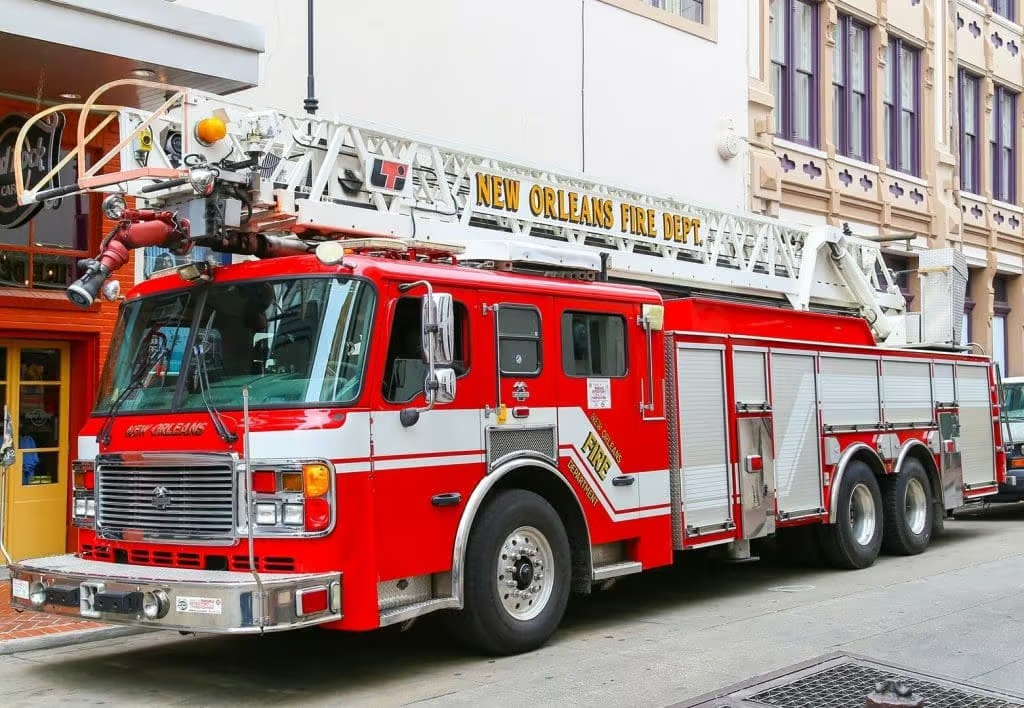
On April 24, 2024, the Bureau of Governmental Research (BGR) published Altering New Orleans Firefighter Benefits Demands Careful Analysis and Justification. The report analyzed a proposal in the spring legislative session to increase pension benefits for New Orleans firefighters. While the proposal did not move forward, it raised concerns. And supporters plan to renew their push, possibly in next year’s legislative session. Any future attempt to change the pension plan must protect the City of New Orleans (City) and taxpayers.

Carefully justifying any revisions to pension benefits is important. Changes could have substantial impacts for decades to come on the City’s finances and the stability of the pension system that firefighters rely on to fund their retirements.
This edition of BGR’s Perspectives on Public Policy features a Q&A with BGR analyst Paul Rioux, the lead analyst on the report. He discusses why BGR issued the report, how he prepared the research, and how the report can be used.
What problem or concern led BGR to publish this report on the firefighter pension fund in New Orleans?
We developed the report in response to two bills that would have reversed pension benefit cuts for New Orleans firefighters. The cuts are from a landmark 2016 legal settlement to shore up the firefighters’ beleaguered pension system. BGR identified several significant problems with the bills. One was a lack of evidence that the pension cuts have caused recruiting and retention problems. The proposal also risked worsening the pension’s poor financial health. And it would trigger an unknown increase in the public’s already substantial pension costs. Although the sponsor of the bills shelved them, BGR released its report because proponents said they plan to try again next year.
Why does this issue matter to residents in New Orleans?
The poor financial health of the firefighters’ pension carries substantial costs, consuming resources that could go to pressing needs. In a highly unusual situation, the public pays more in employer contributions to the firefighters’ pension ($46 million each year) than it does in salaries and benefits to active firefighters ($37.6 million). The gap between the pension fund’s assets and liabilities is $412 million. These fiscal problems represent a potential threat to the City’s long-term fiscal wellbeing.
What surprised you the most in your research?
I was surprised that the New Orleans City Council had no say in the proposal to reverse the pension benefit cuts from the 2016 legal settlement. While the council had to approve the settlement, the firefighters contend the settlement can be amended to allow for an increase in benefits without the council’s consent. They say only the parties to the settlement – the City, represented by the mayor, and the firefighters’ union and the pension fund – need to approve. Such an interpretation could render the council’s initial approval of any agreement meaningless because the mayor could make wholesale changes.
What are the main takeaways of the report?
BGR recommended several actions before City officials and legislators consider any proposed increase in firefighter pension benefits. The parties to the 2016 legal settlement – the City, the firefighters’ union and the pension fund – should seek City Council approval of any necessary amendments to the settlement. They should also facilitate an independent and professional study of the New Orleans Fire Department’s hiring, retention and compensation. Such a study should analyze the extent to which pension benefits are a cause of any problems in these areas. In addition, the parties should facilitate a professional actuarial analysis of all costs associated with proposed benefit increases.
How can the New Orleans City Council and Louisiana Legislators use this report?
The City Council can use the report to challenge its exclusion from the decision-making process on proposed changes to pension benefits for firefighters. The report shows how an interpretation that the council’s approval is not required to amend the 2016 legal settlement could lead to absurd results. Ultimately, the Louisiana Legislature, not the City Council, controls the benefit structure for the New Orleans firefighters’ pension. It can use this report to require appropriate studies to make an informed decision.