
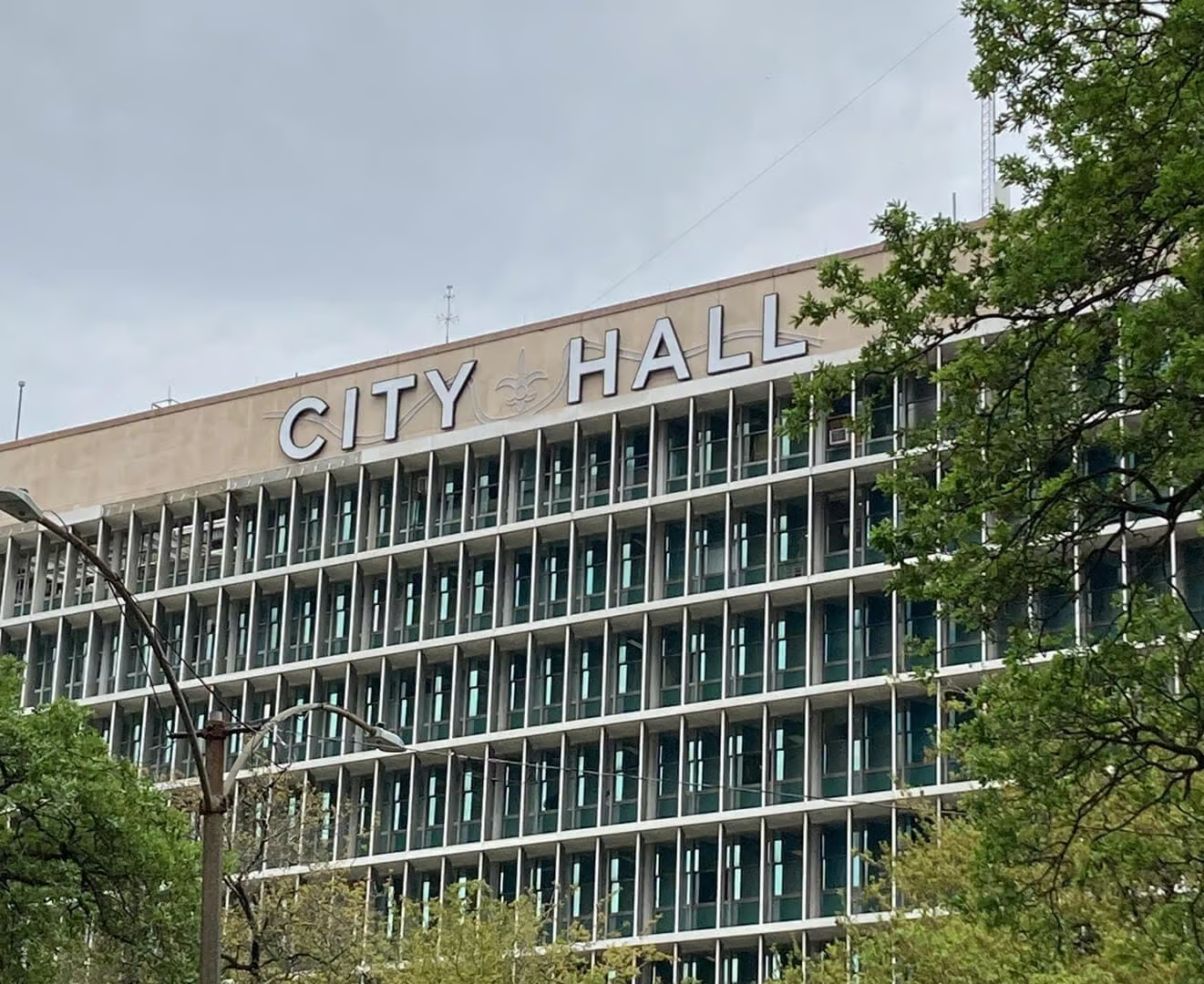
The recent dispute about a proposed $90 million legal settlement between the City of New Orleans and the Orleans Parish School Board has raised concerns about the City’s financial health. It also revealed troubling disagreements within the administration about the extent of any problems. In a report released today, the Bureau of Governmental Research (BGR) links this uncertainty and confusion to financial management practices that are out of step with recommendations by government finance experts.
BGR finds that:
- The administration and City Council do not engage in multi-year financial planning to anticipate new expenses and develop funding strategies that account for potential fluctuations in revenues.
- The City lacks a policy to guide and limit spending from its reserves, or “rainy day” funds, to ensure an adequate financial cushion.
- The public has received little information about the size of the City’s reserves and insufficient notice of proposed spending from the reserves. This limits citizens’ ability to hold City officials accountable for the spending and the impact on the reserves.
BGR also found fundamental problems with spending projections the administration uses to identify potential budget surpluses or deficits. The erroneous projections delayed by months the discovery of a $42 million deficit in the New Orleans Police Department’s 2024 personnel budget. As a result, the 2025 budget does not include funding to close the gap and is already on pace for another large deficit.
These concerns about the City’s management of its finances come at a critical juncture. BGR’s report finds that the City has a limited window to safeguard financial gains from nearly $400 million in federal COVID-19 pandemic relief funding. The funding enabled the City to offset lost revenue, cover tens of millions of dollars in new expenditures, and bolster its nearly depleted emergency reserves. As shown in the chart below, the City’s reserves, a key barometer of its fiscal health, skyrocketed from just $13 million before the pandemic to a high of $344 million in 2022.

But the financial windfall is over. Three years of spending could reduce the reserves available for emergencies to $116.5 million by the end of this year. This would be below the minimum recommended level of two months of expenses, or $158 million. This $116.5 million estimate by BGR is conservative and may be on the low side. Still, the City’s reserves are declining, and a continuation of this downward trend could return the City to its pre-pandemic history of insufficient reserves.
“The public has a keen interest in the City maintaining adequate financial reserves. For one thing, they help avoid cuts to essential services and increases in taxes or fees during financial crises,” said Rebecca Mowbray, BGR’s President and CEO. “A reduction in the City’s reserves also could lower its credit rating, driving up taxpayer-funded borrowing costs for capital projects such as street improvements.”
For residents concerned about the state of City services, adequate reserves and a realistic picture of City finances are a starting point for improvement. They are essential for coming up with a budget that reflects citizen priorities and ongoing needs, such as street and drainage maintenance.
It was beyond the scope of BGR’s report to conduct a full assessment of the state of the City’s finances. In February, the finance department sounded alarms that “spending is out of control” and “financial instability is imminent.” Meanwhile, the City’s Chief Administrative Office, which develops and manages the budget, does not view the situation as dire or unstable. “Having these conflicting internal assessments of whether the City has a major financial problem is itself a major problem,” Mowbray said. “How can the City make effective budget decisions if policymakers cannot agree on what the underlying data are telling them?”
BGR urges the current administration and council to address these issues, so they can hand off a more financially secure City government to the incoming leadership after the fall 2025 municipal elections. BGR also urges prospective candidates in those elections to consider how they can best sustain and improve upon that work.
To facilitate their efforts, BGR makes the following recommendations to significantly improve (1) management of the City’s General Fund reserves, (2) financial planning and budgeting, and (3) public transparency. As explained more fully in the report:
- The City administration should complete a comprehensive policy for the use and preservation of the City’s General Fund reserves, and the City Council should adopt it by ordinance this year.
- The City administration should develop at least a five-year financial plan that it annually reviews with the City Council during the public budget hearing process, beginning this year.
- The City administration should review its processes for making spending projections to determine what led to the erroneous 2024 projections for the New Orleans Police Department.
- The City administration should provide a detailed annual report on the state of General Fund reserves that is included with the mayor’s proposed budget and on the City’s website, beginning this year.
- The City administration should enhance its monthly reports to the City Council on revenues, expenditures and changes in reserve balances with a written summary of important variances and trends. The City Council budget committee should hold a monthly public meeting to review each report with City administrators, beginning this year.
Click these links to access the full report and media release.