
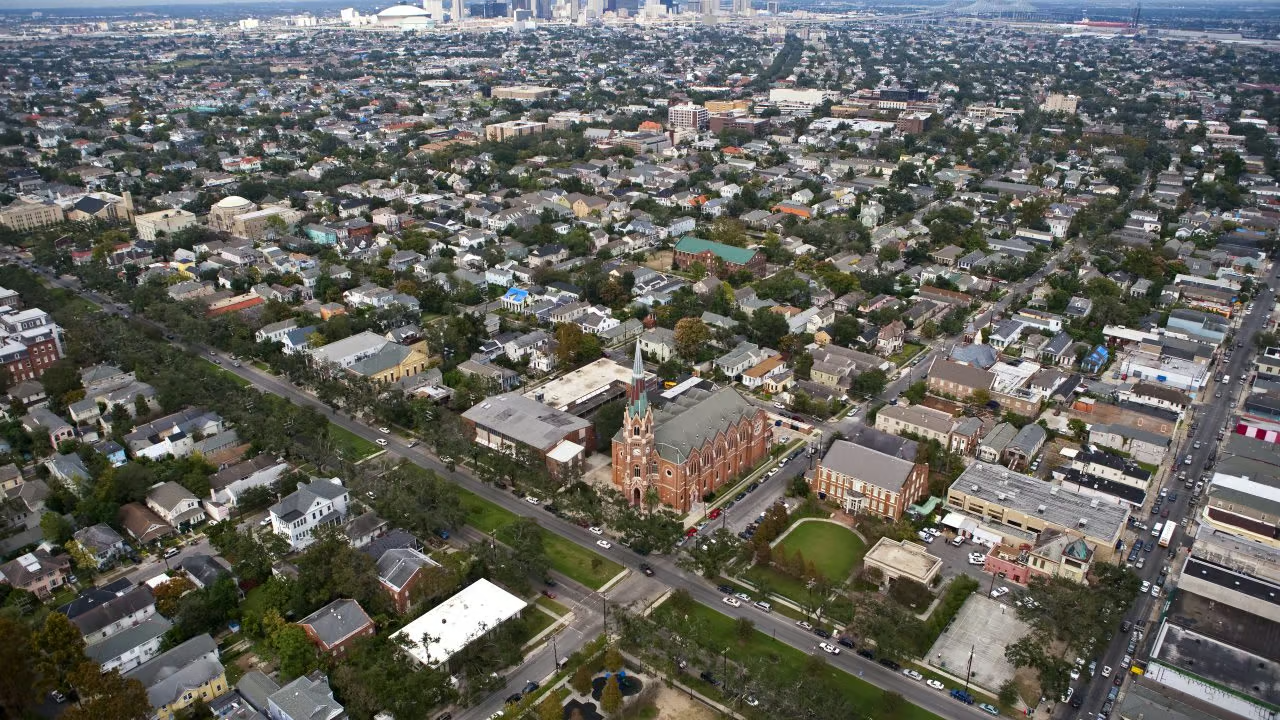
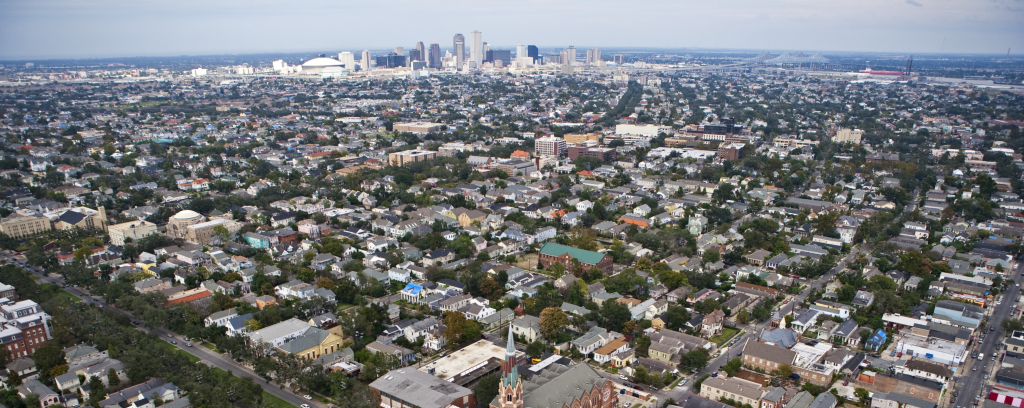
In 2025, 37% of New Orleans’ real estate value, about $2.74 billion, was exempt from property taxes. That’s down from 65% in 1996, when BGR first studied the issue, but the share is still likely among the largest nationally.
BGR’s new report finds that exemptions remain a major structural constraint on the property tax base, which provides about half of all local tax dollars in New Orleans. Many exemptions support important public goals. But when some property doesn’t pay, local governments have less money for services and infrastructure, and more of the cost shifts to the residents and businesses that do pay.
The report is not a call to tax all exempt property. Instead, it aims to help the public and policymakers understand the tradeoffs and manage them more effectively. That includes considering practical ways for owners of exempt property to help pay for core infrastructure needs.
Because exemptions are written into Louisiana’s constitution, changing them takes a two-thirds vote of the Legislature and approval from voters. That makes practical action more important.
BGR’s top priority is a fee for infrastructure: City leaders should develop a fair, transparent and accountable fee proposal by 2027 for defined and prioritized infrastructure needs, such as drainage. Unlike a property tax, a fee can apply to all property owners, so owners of tax-exempt property could contribute to the infrastructure they rely on.
What’s next? A key property tax that pays for drainage expires in 2027 unless voters renew it, and the spring 2027 legislative session is Louisiana’s next opportunity to consider tax exemptions. BGR also recommends that the Legislature require statewide reporting on exempt property and a review of exemptions’ benefits and costs at least once a decade.
Read our findings and recommendations for managing the impacts of tax-exempt property in New Orleans.