
Read BGR’s Issue Summaries and Questions, and How the Candidates Responded (Alphabetical by Last Name)




CITY GOVERNMENT PERFORMANCE
Background Provided to All Candidates
BGR’s mission is to provide independent research to support informed public policy making and the effective use of public resources. We recognize that each candidate enters the race with a vision for improving City of New Orleans (City) government and delivering more effective services to citizens. BGR’s 2019 report analyzing the previous decade of the City’s General Fund budgets highlighted the lack of funding to address the vast scope of the City’s needs. Therefore, every General Fund dollar that is not well spent represents a dollar’s worth of high priority needs that will go unmet. The report urged the City to reevaluate current expenditures with an eye toward optimal deployment of existing resources to critical needs.
On City government performance, BGR asked the candidates:
1. What two City services, programs or operations are most in need of improvement, and what strategies (financial, organizational, operational or otherwise) will you use to fix them? Please explain why.
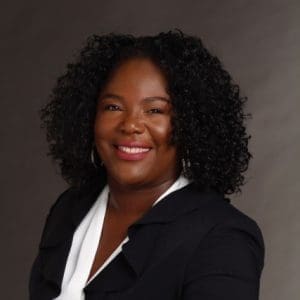
DELISHA BOYD
The two areas most in need of reform are street maintenance and permitting/ business services. Streets are the backbone of our economy and neighborhoods, yet years of underfunding have left them crumbling. I will fight to raise annual street maintenance funding to at least $30 million, redirecting savings from nonessential administrative spending, and leveraging federal and state dollars. Preventive maintenance saves $4–$5 for every dollar invested, making it fiscally responsible and urgent.
Permitting and business services discourage small businesses and development with long delays and outdated systems. I will push for a full audit of the One Stop Shop, implement modernized digital systems, and require quarterly performance reports to the public so we can measure progress.
As a legislator and 30-year business owner, I’ve seen firsthand how poor infrastructure and inefficiency stall growth. Fixing these services will stabilize our economy, support small businesses, and restore public confidence.
MATTHEW “MATT” HILL
The two city operations most in need of immediate overhaul are the Sewerage & Water Board and the Department of Public Works. The Sewerage & Water Board is structurally broken, inefficient, unaccountable, and incapable of delivering 21st-century infrastructure with a 19th-century model. I will fight to DISSOLVE it entirely and move all operations drainage, maintenance, billing, and repairs under a restructured Department of Public Works. That’s how we unify leadership, eliminate duplication, and finally hold someone accountable when the streets flood or the pipes burst. We’ll modernize the pumping system, invest in porous asphalt to reduce runoff, and make flood mitigation a central part of the city’s long-term planning not a reaction to every storm.
The second area in desperate need of reform is the city’s permitting process. Right now, it’s a nightmare of red tape, delays, and disorganization that is hurting homeowners, business owners, and developers alike. I will push for a full operational audit of the permitting department, streamline digital workflows, and implement a single, accountable case management system so permits don’t fall into a bureaucratic black hole. Financially, we’ll tie department funding to performance benchmarks, and we’ll bring in outside consultants just like the private sector does to overhaul processes with a Lean Government approach. New Orleans can’t afford to keep doing things the old way. It’s time to clean house and rebuild systems that actually work.
MATTHEW WILLARD
There are five areas where the City must meet public demand and services: streets and infrastructure, drainage and water management, public safety, trash pickup and blight abatement (public cleanliness), and licensing/permitting. Unfortunately, all need financial reorganization to improve operations. If I had to prioritize the top two, it would be infrastructure (roads, drainage, and lights) and safety and permits. I would support the following:
I would apply this to safety and permits, code enforcement, and DPW:
1. Improve project management and utilize software to improve efficiency and automate processes.
2. Public-accessible dashboards for increased transparency and accountability.
3. Investigate the best ways to streamline the structure and management of city government to improve and modernize the delivery of services, including more regular and thorough budget/expenditure reports from city departments.
4. Explore structural changes at Sewerage & Water Board, work with City leaders on a plan for dedicated funding for drainage, and investigate ways for cost-sharing across parish lines on the importance of quality water management.
5. Review the current civil service system, and possibly decentralize departmental decisions to administer and reorganize their agencies to improve more efficient delivery of services by more accountable methods of hiring and human resource management.
2. Where do you see opportunities to redirect General Fund dollars to higher impact uses? Please be specific about the expenditures you would cut or reduce and what you would fund in their place.
DELISHA BOYD
Every tax dollar must be tied to outcomes. I support zero-based budgeting, requiring each department to justify spending annually, so we fund programs that deliver measurable impact.
I would prioritize reducing non-essential consultant contracts and curbing excessive overtime, which often total tens of millions yearly. Redirecting just a fraction of these funds could boost street maintenance, expand public safety technology (like street lighting and neighborhood cameras), and strengthen workforce training programs that reduce crime by creating opportunity.
These reallocated dollars would directly improve quality of life, build safer communities, and ensure residents see real returns on their tax investment.
MATTHEW “MATT” HILL
There are clear opportunities to redirect General Fund dollars away from inefficiency and toward programs that actually improve people’s lives. First, I would target the bloated administrative costs and overlapping contracts at the Sewerage & Water Board and within City Hall itself. We are wasting millions every year on duplicative bureaucracy, outdated systems, and “ghost” consultant fees that deliver little value. By dissolving the Sewerage & Water Board and consolidating operations under Public Works, we can eliminate waste and reallocate those dollars to critical infrastructure upgrades, like porous street paving, drainage improvements, and storm- preparedness systems that protect homes and businesses from flooding.
I would also reduce spending on underperforming or politically connected contracts, particularly in areas like public relations, non- transparent “community outreach” grants, and travel expenses for city officials. That money should be redirected toward expanding mental health crisis response teams, over-the-counter access to birth control and insulin, and funding youth employment and job training programs in underserved neighborhoods. Every dollar spent should deliver real value to the people of New Orleans and I’ll fight to make sure our General Fund reflects that principle. We’re not broke, we’re mismanaged. Let’s fix it.
MATTHEW WILLARD
I would like an across the board analysis on how much departments pay contractors versus how much we would spend to bring more work in-house. I know we have workforce shortages, and I would like to know if this is due to pay levels, management issues, or overall population loss in the City.
Beyond that, we must ensure that we appropriately fund the essentials of City government: trash pickup, drivable roads, working streetlights and red lights, drainage, education, etc. Though I love the fact that each Councilmember has a $1 million fund for district cultural projects, I think we may need to redirect these general fund dollars to improved basic service provision.
This, of course, must be carefully done. Just because our roads are terrible does not mean more money will solve the issue. We saw the exact opposite with the federal dollars from Hurricane Katrina. We must improve project management, transparency and accountability. Public facing dashboards and programs and software to optimize efficiency and automate manual processes could also lead to cost savings and improve our allocation of human capital.
Finally, the New Orleans Assessor for years has advocated a review of all non-profits which are utilizing properties for income- producing activities not related to their non-profit mission. This is worthy of an analysis. It accounts for a ton of money not on the tax rolls.
CITY BUDGET AND FINANCIAL MANAGEMENT
Background Provided to All Candidates
Strategic management of limited public resources will be key to improving the performance of City government. The City emerged from the COVID-19 pandemic in a stronger financial position thanks in large part to nearly $400 million in federal relief funding. But the windfall is over. The City projects little growth in revenue as it faces looming new costs. To help policymakers navigate this new reality, BGR analyzed the City’s financial management practices.
In After the Windfall, BGR recommended that the City administration develop a five-year financial plan and review it annually with the City Council. Having this roadmap can put the City on track to address fiscal challenges and opportunities. The plan should move the City toward a structurally balanced budget. A structural balance is when recurring revenues equal or exceed the recurring expenditures necessary to sustain public services and properly maintain facilities and infrastructure. Currently, the City relies on one-time reserves to balance its budget, and it does not adequately fund maintenance. Street maintenance alone would need an estimated $36 million increase in annual funding. Achieving structural balance is important for the City government’s fiscal health, but also for New Orleans’ sustainability and quality of life.
BGR also recommended the City administration develop, and the council adopt by ordinance, a policy for the use and preservation of its General Fund reserves to ensure an adequate financial cushion. Given New Orleans’ vulnerability to disasters, City officials should strongly consider a reserve level higher than the minimum of two months of General Fund expenses (about 17%, or $158 million this year) recommended by government finance experts.
Before the onset of the COVID-19 pandemic in 2020, the City’s reserves remained well below 17% and even turned negative in some years, signifying a deficit. The federal pandemic relief funding enabled the City to bolster its reserves, reaching a high of $344 million, or 54% of General Fund expenses in 2022. But three years of spending from the reserves could again reduce them below the minimum recommended level by the end of this year. Maintaining adequate reserves is important because it helps avoid cuts to essential services and increases in taxes and fees during financial crises. A reduction in reserves also could hurt the City’s credit rating, driving up taxpayer-funded borrowing costs for capital projects, such as street repairs.
On City budget and financial management, BGR asked the candidates:
3. Do you agree that the City should adopt and maintain a five-year financial plan that aims for a structurally balanced budget? Why or why not? Please describe any spending reductions or revenue-raising opportunities that you would consider to achieve a structurally balanced budget.
DELISHA BOYD
Yes. A five-year financial plan is critical to restoring fiscal discipline and public confidence. A structurally balanced budget—where recurring revenues meet or exceed recurring expenses—ensures stability and avoids overreliance on onetime reserves.
I would seek targeted efficiency audits in every department, require priority-based budgeting, and explore public-private partnerships for non-core functions to reduce costs. On the revenue side, I support modernizing collections for delinquent taxes and fees, ensuring fairness while generating needed funds.
MATTHEW “MATT” HILL
Yes, I absolutely agree that the City of New Orleans should adopt and maintain a five-year financial plan that aims for a structurally balanced budget. A structurally balanced budget isn’t just good bookkeeping, it’s the foundation for long term stability, trust, and investment in our city. For too long, New Orleans has operated with short term thinking, reactive budgeting, and temporary fixes. That mindset creates deficits, underfunds essential services, and forces painful cuts down the line. We need disciplined, forward-looking financial planning that aligns spending with actual recurring revenue not wishful projections or one-time bailouts.
To achieve this, I would pursue spending reductions by consolidating redundant agencies like the Sewerage & Water Board into Public Works, eliminating wasteful administrative contracts, and auditing departments to cut inefficiencies through Lean Government principles. On the revenue side, I’d look at smarter ways to collect what we’re already owed, like cracking down on uncollected fines, improving commercial tax compliance, and making sure out-of-town short-term rental operators pay their fair share. I’d also explore incentive-based development that broadens the tax base without raising rates. The goal is simple: stop the bleeding, start investing in what works, and build a city government that’s not just functional, but financially strong enough to deliver real results.
MATTHEW WILLARD
Yes, we must be mindful of looming costs and state and federal changes that can disrupt anticipated revenues and expenditures. A five-year forecast seems like an essential element of smart budgeting practices, but it must be regularly reviewed and adjusted. I don’t think we can ask New Orleans’ people to pay more money based on the services they are currently receiving.
If we can fix safety and permits and make more progress on code enforcement, those are revenue raising opportunities already in place. We just have to execute. I think if we can take care of the basics, we can really help to mitigate the population loss and brain drain.
4. What percentage of the General Fund budget should the City keep as a financial reserve, and why?
DELISHA BOYD
I support maintaining at least 20% of the General Fund as reserves—slightly higher than the Government Finance Officers Association’s 17% recommendation—because of our city’s vulnerability to disasters. Strong reserves protect essential services, maintain our credit rating, and keep borrowing costs low for infrastructure and recovery projects.
MATTHEW “MATT” HILL
The City of New Orleans should maintain a financial reserve of at least 15% of the General Fund budget, ideally closer to 20% to ensure fiscal stability and resilience in the face of unexpected crises. In a city as vulnerable to hurricanes, flooding, and economic shocks as New Orleans, a strong reserve isn’t just smart policy its survival insurance. This reserve acts as a buffer against emergency spending, revenue shortfalls, or delays in state and federal aid, allowing the city to maintain essential services without scrambling or slashing budgets mid-year.
Maintaining this reserve also improves the city’s credit rating, reducing borrowing costs and freeing up more funds for infrastructure, public safety, and neighborhood investment over the long term. Cities that manage reserves well don’t just survive downturns they come out stronger. I will fight to protect and grow our reserves not as a rainy-day stash we forget about, but as a strategic tool to build a city that’s not just reactive, but resilient.
MATTHEW WILLARD
Experts say between 15-17 percent. Right now, I would lean toward the upper threshold because of the potential reduced funding we may receive from the federal and state government. We must really use prudent budgeting practices right now due to so many unknowns (FEMA, Medicaid, education, etc.). Financial reserves also impact bond ratings, so this is a very important issue that we recently dealt with at the state level.
PUBLIC SAFETY
Background Provided to All Candidates
When New Orleans voters last elected their mayor and council four years ago, the city was reeling from a violent crime surge during the COVID-19 pandemic. The number of sworn officers in the New Orleans Police Department (NOPD) had fallen by nearly 20%. BGR hosted a Breakfast Briefing speaker series on public safety in spring 2022 that analyzed New Orleans’ longstanding crime problem and presented both law enforcement and community-based approaches to addressing it.
The City implemented recruitment and retention bonuses for NOPD officers – covering the initial costs with a substantial portion of its federal pandemic relief funds. It expanded its collaboration with other law enforcement agencies, including the Louisiana State Police, as the NOPD superintendent explained at a December 2023 BGR Breakfast Briefing. The City also invested in several public safety initiatives besides law enforcement, from mental health crisis response to violence prevention. Nonprofit organizations, businesses and others came together to form the NOLA Coalition in summer 2022 to invest in both NOPD and youth support services.
Crime has fallen significantly from its 2022 peak, and a recent public opinion survey found increasing satisfaction with NOPD and neighborhood safety. But public safety remains a top concern for many residents. NOPD’s officer strength has stopped its downward trend but hasn’t markedly improved. The department is the City’s largest annual General Fund expenditure, accounting for about a fifth of the budget. BGR’s recent report on the City’s financial management highlighted inaccurate budget projections for NOPD in 2024. Overtime costs have been a key driver in tens of millions of dollars of unplanned expenditures.
On public safety, BGR asked the candidates:
5. Would you seek an increase in funding for NOPD? Why or why not? If yes, please specify the increase level and what the additional funds would support. If no, please specify any changes to the department’s current budget that you would seek.
DELISHA BOYD
I would support an increase of 5–7% in NOPD funding, contingent on reforms that ensure dollars directly improve officer retention, training, and recruitment. The funding would go toward civilianizing administrative roles so sworn officers can focus on patrols, expanding mental health crisis teams to reduce strain on police, and technology upgrades to cut costly overtime.
MATTHEW “MATT” HILL
Yes, I would seek an increase in funding for the New Orleans Police Department. Right now, we don’t have enough officers to properly cover the city, and neighborhoods like New Orleans East and Algiers are paying the price. People are waiting too long for help, officers are stretched thin, and basic public safety is suffering. But this increase wouldn’t be a blank check it would be targeted, strategic, and accountable. I would push for a 10–15% increase in the NOPD budget focused specifically on recruitment, retention, and redeployment with the goal of putting more officers on the street where they’re needed most.
This funding would support competitive salaries, local recruitment pipelines, housing stipends for officers who live in Orleans Parish, and a full-scale reorganization to shift more officers from desk duty to neighborhood patrol. I would also pair this investment with expansion of mental health crisis units and alternative response teams because not every call requires a badge and a gun. Public safety must be holistic, but we can’t ignore the very real fact that we are understaffed and under protected in many parts of the city. We need more officers, better deployment, and smarter policing. I’ll make sure every dollar supports that mission.
MATTHEW WILLARD
Currently, I would support funding at the same level. It’s difficult to pinpoint the exact cost for New Orleans to exit the NOPD consent decree today because estimates are all over the place and there is not one simple item we are paying to implement. But this is clearly the first step in improving our police department’s performance and ability to hire officers. Once we exit the consent decree, we still must fund all the issues related to upholding the reforms from this exercise.
But assuming this happens in a cost-effective manner, I am determined to study how to improve the entire criminal justice system which gets funding from the City of New Orleans. We have only to look to recent failings at the Orleans Justice Center to know that spending and accountability across this important area is out of whack. One thing is for sure: An administration that comes forward with $42 million in additional police spending three months after the budget was approved will not happen again because the Council will demand thorough and complete briefings on major budget categories.
Moreover, a public agency which relies on significant city funding to provide services cannot return to ask for more money when they fail to provide transparency in why they are failing to meet their basic duties as an office holder. We also must create and enforce strong overtime policies because this category can quickly throw the budget in disarray and eat up reserve dollars.
6. Beyond NOPD, what do you think are the top two areas where City resources can most effectively drive improvements in public safety? Why does the City’s involvement in these areas have strong potential for improving outcomes?
DELISHA BOYD
Two key areas: youth intervention programs and street lighting/camera networks. Early intervention for at-risk youth—including mentorship, job training, and mental health support—reduces crime long-term. Expanded street lighting and neighborhood camera systems deter crime and help solve cases more efficiently, improving safety while using taxpayer funds effectively.
MATTHEW “MATT” HILL
First, we need to expand mental health care access citywide, especially by growing mobile crisis response teams and embedding licensed professionals into our 911 system. Right now, too many people in crisis are met with police, not care. By funding mental health responders and supportive housing services, we reduce unnecessary arrests, de-escalate dangerous situations, and break the cycle of incarceration and trauma. This is an area where the City’s involvement is crucial. We have the power to change how emergencies are handled at the first point of contact.
Second, investing in youth opportunity; job training, summer work programs, apprenticeships, and after-school support is one of the smartest, most cost-effective ways to reduce crime long-term. The city can drive this by coordinating with schools, nonprofits, and local businesses to create real pipelines into employment and education. When young people have access to purpose, income, and mentorship, the likelihood of them falling into violence or instability drops dramatically. Public safety doesn’t start with a siren, it starts with giving people, especially our youth, a reason to believe in their future. That’s where we win the long game.
MATTHEW WILLARD
TOP AREAS:
1. Positive experiences and opportunities for our children
2. Improving infrastructure.
PROGRAMS I’M INTERESTED IN PURSUING:
• Mentorship and internship programs
• Workforce and vocational skills training
• Blight abatement and better street lighting
• Support for mental health and substance use disorder programs
MAYBE my approach is the old “broken window” mentality, that run-down buildings and neighborhoods lead to ‘run down’ people and mindsets. But if we are going to grow out of our problems, we have to grow into a new drive to improve.
ORLEANS PARISH JAIL
Background Provided to All Candidates
The Orleans Parish jail has been under federal oversight or investigation for more than 50 years, longer than any other local jail in the country. It has suffered from chronic problems, including violence, understaffing, and insufficient medical and mental health care. The May 16, 2025, escape of 10 men from custody heightened the public’s concern about the jail’s problems.
BGR’s 2022 report, Keys to the Jail, linked the jail’s performance problems to the strained governance relationship between the Orleans Parish Sheriff’s Office and the City. Under Louisiana law, the Sheriff’s Office operates the jail, while the City must pay most of its costs – 79% of its $91.1 million total budget in 2025. This structure has blurred accountability for the jail’s performance and impeded progress toward improving its performance and exiting federal oversight. BGR recommended the City and Sheriff’s Office develop a multi-year agreement to:
- Establish an ongoing strategic planning process in which they collaborate on the budget, facilities, employee compensation and training, and other jail needs.
- Improve fiscal transparency and accountability, both to ensure adequate City funding for the jail and careful tracking of how the Sheriff’s Office uses the money.
- Strengthen the appointment process for the top jail administrator by defining the job’s responsibilities and qualifications and by enabling City and public input on the candidates.
- Create an independent local entity to oversee jail performance to ensure ongoing monitoring of jail conditions and treatment of people in custody after federal court oversight ends.
In April 2025, voters renewed the Sheriff’s property tax for the jail. BGR supported the renewal based on its analysis showing the tax provides essential funding for the jail that would otherwise have to come from the City. However, BGR recommended that the Sheriff’s Office regularly report on tax expenditures and the office’s progress toward improving jail compliance, performance and outcomes. Following the May 2025 escape and the risk of more finger-pointing between the City and Sheriff, BGR re-emphasized the importance of the City and Sheriff’s Office coming to a long-term agreement.
On the Orleans Parish jail, BGR asked the candidates:
7. Should there be a cooperative agreement between the City and the Sheriff’s Office along the lines of what BGR recommends? If yes, please explain which components in the bullet point list above should be included in the agreement, plus any other priorities you would include. If not, please explain how you would work with the Sheriff to improve the jail’s performance.
DELISHA BOYD
Yes. I support a formal, multi-year cooperative agreement with the Sheriff’s Office to:
• Establish a joint strategic planning process for budgets, staffing, and facilities.
• Require quarterly fiscal transparency reports to the public.
• Set clear qualifications and accountability for the top jail administrator.
• Create independent local oversight for ongoing compliance after federal monitors leave.
This structure ensures accountability, improves safety, and prevents the finger-pointing that has undermined progress for decades. End the us against them mentality with City Council and Sheriff’s office
MATTHEW “MATT” HILL
Here’s what I would include in the agreement:
A formal strategic planning process between the City Council, Mayor’s Office, and the Sheriff’s Office. This would ensure collaboration on the jail’s budget, staffing levels, employee compensation, and facility needs. The jail is too important to be managed in a silo, and a long-term planning process ensures consistency, not chaos.
Stronger fiscal transparency and public accountability. I would require detailed quarterly reports on how taxpayer dollars are being used—line-item budgets, performance metrics, and spending tied to specific outcomes like rehabilitation, reentry, and health care access. If the City is funding it, the public deserves to know where every dollar goes.
Reforming the appointment process for the jail administrator, especially by defining clear qualifications, requiring transparency in selection, and involving the City Council and public in vetting candidates. Leadership at the jail must be professional, qualified, and accountable not political.
In addition to BGR’s recommendations, I would push for:
Increased investment in mental health and reentry programs within the jail, so we’re not just warehousing people we’re preparing them for a safer, healthier return to the community.
Data-sharing requirements between the Sheriff’s Office and the City to track outcomes like recidivism, use-of-force incidents, and inmate health trends, so we manage the jail based on facts, not guesswork.
MATTHEW WILLARD
The Sheriff is an independently elected official, but they remain largely dependent on the City for funding. We have a lot of problems at the jail and a lot of questions that remain unanswered. Since the Council has to appropriate money to OPSO, the Council has a duty to ensure that the dollars are spent wisely and accounted for to the people of New Orleans.
I support an ongoing strategic planning process on the budget, facilities operation, and employee compensation. I support improving fiscal transparency and accountability and moving OPSO into the BRASS system. I support greater input from the community and Council members, on top of jail administrators, if for nothing else to improve transparency into the jail’s operations.
I need to know more about the separate entity to oversee performance. I would be cautious about that and would like to know how that effort is funded. Would it be funded with savings we realize once the consent decree expires? That could work.
STREET MAINTENANCE
Background Provided to All Candidates
The City is making more than $2 billion in federally funded repairs to streets and subsurface infrastructure damaged during Hurricane Katrina. However, the long-term benefits of this once-in-a-lifetime investment are threatened by the City’s chronic underfunding of street maintenance. As BGR reported in 2024, the Public Works department estimates it would cost $50 million a year to properly maintain the City’s 1,500 miles of streets. The City spends about $14 million, or $36 million less than is needed. This is particularly problematic because preventive street maintenance tends to pay for itself over time. Public Works has estimated that every dollar spent on preventive maintenance saves $4 to $5 on repair and reconstruction costs down the road.
On street maintenance, BGR asked the candidates:
8. What would you do to address the City’s underfunding of street maintenance? Please be specific on funding levels and how you would go about finding more revenue for streets.
DELISHA BOYD
I would advocate to raise street maintenance funding from $14 million to at least $30 million annually, closing over half the $36 million gap identified by Public Works. This can be done by redirecting savings from administrative overhead, non-essential contracts, and aggressive pursuit of federal resilience grants.
Preventive maintenance is not optional; every $1 spent now saves up to $5 in future reconstruction costs, protecting taxpayers and businesses.
MATTHEW “MATT” HILL
To fix New Orleans’ underfunded street maintenance problem, we need to treat it like the crisis it is. I would push to allocate at least $60–$80 million annually in dedicated, protected funds specifically for proactive street repair and resurfacing—not just emergency patches. This money should be tied to pavement condition assessments and managed through a transparent, data-driven plan—not political convenience.
One of the biggest moves we can make is dissolving the Sewerage & Water Board and moving all operations under a modernized Department of Public Works. That consolidation will cut waste, streamline projects, and free up millions to invest directly into our roadways and underground infrastructure. We also need to adopt a “Fix It First” policy, prioritizing preventive maintenance and climate- resilient materials like porous asphalt, which both reduce flooding and extend street life.
To raise more revenue, I would pursue:
A street usage fee on heavy freight that damages roads,
A local infrastructure bond tied to accountability and progress benchmarks,
And federal infrastructure grants specifically targeting street and stormwater improvements under the Bipartisan Infrastructure Law.
Our streets are the veins of this city, if they fail, everything else suffers. Safe, well-maintained roads reduce flooding, support economic growth, and improve emergency response. We’ve waited long enough. It’s time to rebuild the foundation, literally, and I’ll make it happen.
MATTHEW WILLARD
Because New Orleans has such a high water table and high annual rain volume, maintaining streets will always be an on-going need. It’s hard for me to identify funding sources when so much of the budget seems out of line. I’ll say that I expect it to be cheaper to do the job correctly the first time as opposed to doing intermittent patch work for years. We need to pursue state and federal dollars, including philanthropic grant funding. Below are some of the steps I would take:
• Modernize infrastructure repair and maintenance systems using data and technology.
• Set deadlines and public-facing timelines for critical services like pothole repair, blight removal, and water/sewer fixes.
• Create a City Services Task Force to oversee coordination between streets, SWB, Entergy, and public works.
• Launch a Public Infrastructure Dashboard tracking road, water, drainage, and power projects in real-time.
• Explore new Management System for Departments: Weekly obstacle check-ins and inter-agency communication and collaboration because project timelines must be enforced.
• Mandate Joint Coordination Planning between departments and utility companies before capital projects.
SEWERAGE & WATER BOARD GOVERNANCE
Background Provided to All Candidates
The Sewerage & Water Board is a state-created utility over which the mayor and City Council have substantial influence. The mayor serves as president of the utility’s board of directors, which is responsible for its operations and finances. The City Council has a seat on the board and controls the utility’s water and sewer rates and drainage property taxes.
One key task for the next mayor and council is supporting better Sewerage & Water Board performance. While the utility is implementing a wide-ranging strategic plan, long-term success will depend on improving the Sewerage & Water Board’s governance structure. This means the laws and policies that shape the powers, roles and responsibilities of the utility and those involved in its operations.
A core problem is that the Sewerage & Water Board must operate New Orleans’ water, sewer and drainage systems, but the City Council controls the fees and taxes that support them. Over the years, this tension between operational responsibility and funding control has allowed politics to influence funding decisions. This has resulted in underfunding, contributing to today’s deteriorated infrastructure and shifting costs to current and future ratepayers.
BGR suggests either strengthening the Sewerage & Water Board as a stand-alone utility that operates separately from City government or replacing it with a municipal utility that functions as part of City government. BGR’s 2023 report, Waterworks in Progress, details the potential benefits of each option over the status quo. But each option would present new complications that require further study. The next mayor should initiate that study and coordinate these efforts with the City Council and the Sewerage & Water Board, as well as seek public input.
In the near term, the City Council can improve its process for considering Sewerage & Water Board funding requests. As BGR outlined in its 2023 letter, the council should (1) objectively evaluate funding proposals, (2) regularly assess the utility’s performance, (3) track outcomes against desired goals, and (4) review strategic and financial plans and reports. These efforts would build on the council’s important work to expand its oversight of the utility, set up processes with State legislative support to help resolve customer billing problems, and help fund important infrastructure, such as a new electrical power complex to improve drainage pumping.
On Sewerage & Water Board governance, BGR asked the candidates:
9. What changes to management, operations, or governance of the Sewerage & Water Board would you support, and why?
DELISHA BOYD
As a councilmember, I will push for:
• Regular performance audits and public reporting.
• An objective review process for all rate and tax proposals, based on data, not politics.
• Strategic coordination between the Council, the Board, and state legislators to fund modernization, like the power plant upgrade for drainage.
We must utilize all best practice for a total reform of our S&WB’s governance and operations.
MATTHEW “MATT” HILL
I support a bold and necessary change: dissolving the Sewerage & Water Board (SWBNO) entirely and moving all operations; water, sewer, and drainage under a modernized Department of Public Works. The current structure is outdated, inefficient, and unaccountable. It was built for the 19th century and has failed to deliver for the 21st. The people of New Orleans deserve a utility system that works with city government, not around it.
The core problem is fractured governance. Right now, when pumps fail, streets flood, or bills spike, no one is truly accountable. By moving these operations under a unified city department, we can eliminate bureaucratic overlap, streamline maintenance, and ensure direct Council oversight. We’ll manage infrastructure like we manage public safety with clarity, transparency, and urgency.
Operationally, I would push for:
A citywide infrastructure audit to prioritize repairs and upgrades
Cross-training of crews to respond faster to leaks, breaks, and emergencies
Data-driven asset management systems to predict and prevent failures
Public-facing dashboards so residents can track outages, projects, and spending in real time
Financially, consolidating under Public Works allows for smarter budgeting, better use of federal infrastructure dollars, and the ability to align capital improvements with long-term planning.
We don’t need to patch up a broken system, we need to rebuild a smarter one. It’s time to bury the bureaucracy and build a utility that actually serves the people of New Orleans.
MATTHEW WILLARD
First, I think it was a critical first step to have all components of our drainage system brought under the purview of the S&WB. I was proud to support this effort in the legislature and am proud to have authored the legislation that ended estimated billing for S&WB, another poor management decision the legislature had to fix.
The funding for S&WB needs to cover the cost of replacing their degrading assets. The last thing I, or any reasonable person would want to do, is make the people of New Orleans pay more in taxes for the increasingly poor return on investment we’ve been getting. But we need a functional water, sewerage, and drainage system.
Every burst pipe is a boil water advisory and another road that needs to be torn up and repaved. We’re paying for it no matter what, so we might as well invest on the front end to save in the long run.
Does it make sense for SWBNO to merge with DPW or become a stand alone entity? Both options have pros and cons. Currently, I would lean more toward moving it under DPW. I think the City Council must retain oversight, especially as they continue rolling out the new smart meters. I would invite collaboration from all stakeholders, including the New Orleans delegation on the next steps.
10. How would you improve the City Council’s approach to reviewing funding requests from the Sewerage & Water Board for rates and taxes?
DELISHA BOYD
I will push for a transparent, standardized evaluation process that includes:
• Independent cost-benefit analysis for all requests.
• Quarterly performance metrics for customer service, billing, and capital projects.
• Public hearings that allow residents to understand and weigh in on proposed rate or tax changes.
This approach builds trust and ensures every dollar produces measurable improvements in infrastructure and service.
MATTHEW “MATT” HILL
To truly improve the City Council’s approach to reviewing funding requests from the Sewerage & Water Board (SWBNO), we need to stop reviewing and start restructuring. I believe the answer isn’t in tweaking the process, it’s in DISSOLVING the Sewerage & Water Board entirely and transferring all operations under a unified, modernized Department of Public Works.
Right now, the Council is forced to evaluate funding requests from an agency it doesn’t fully control, with limited transparency, poor performance tracking, and no real consequences for failure. That’s not oversight, that’s theater. By moving drainage, water, and sewer operations under full city authority, the Council would gain direct budget control, integrate these services into the city’s broader infrastructure planning, and review funding as part of a unified, strategic budget, not in isolation.
This would allow the Council to:
Align capital investments with street, drainage, and climate goals
Demand performance benchmarks before approving any rate or tax increases
Conduct full audits and tie funding to real outcomes: fewer boil advisories, faster repairs, and lower flood risk
We cannot fix a broken system by continuing to fund it blindly. The Council needs more than oversight, it needs control. Dissolving SWBNO is the clearest, most effective path to financial accountability, infrastructure modernization, and public trust.
MATTHEW WILLARD
As I mentioned above, funding for S&WB needs to be based upon the actual cost needed to maintain functional water, sewerage, and drainage systems. And if that ends up costing more than we can currently pay, we must find creative ways to cover that investment because these are truly essential, basic utilities and functions needed for a City to operate. We can’t play politics with this stuff. I also think that having tax exempt properties contributing to drainage operations will help with long term investments and maintenance.
STORMWATER FEE
Background Provided to All Candidates
In 2027, one of New Orleans’ three drainage property taxes will expire unless it is renewed by voters. It provides $22 million a year, or nearly a quarter of drainage system revenue. Even with the tax, the system faces substantial unmet funding needs, for everything from cleaning catch basins to fixing pipes to upgrading pump stations. And experts have recommended supplementing traditional drainage with “green infrastructure,” or natural rainfall retention projects that can lighten the load on pipes and pumps and reduce ground subsidence.
To meet these funding needs, the Sewerage & Water Board, the City, and others, including BGR, have suggested creating a stormwater fee. As discussed in a 2017 BGR report, this type of user fee charges a property owner based on an estimate of stormwater runoff that the system collects from the property and discharges into local waterways. Generally, a fee has a couple of advantages over a tax. It applies to both taxable and tax-exempt property, spreading out the cost burden. Also, it is tied to a property’s runoff, rather than the property’s value, which improves fairness.
Sewerage & Water Board and City officials have not yet made a stormwater fee proposal to the public. As a first step, BGR urges them to review the funding needs of the entire drainage system. BGR also recommends careful planning, administration, and oversight to ensure a fair fee structure, effective use of the new revenue, and public accountability.
On stormwater fees, BGR asked the candidates:
11. Do you favor pursuing a citywide stormwater fee? If yes, please explain what the fee proposal should include to ensure effectiveness, fairness and accountability. If you do not favor a stormwater fee, please explain how you would address the drainage system’s financial needs.
DELISHA BOYD
Yes, but only with strong protections for fairness and accountability. The fee must:
• Apply to all properties, including tax-exempt entities, to spread costs equitably.
• Be based on runoff impact, not property value, ensuring fairness.
• Include independent audits, strict oversight, and transparency so residents see results in cleaner drains, upgraded pumps, and flood mitigation.
Without sustainable funding, our drainage system will continue to fail and cost residents more through property damage and lost economic activity.
MATTHEW “MATT” HILL
No, I do not favor pursuing a citywide stormwater fee. Especially not in its current form because it places an unfair burden on working-class families and renters who are already struggling with rising utility costs, housing insecurity, and economic inequality. Asking residents, particularly those in historically under-resourced neighborhoods to pay more for basic drainage infrastructure is both regressive and unjust. We cannot keep asking the poor to pay for the failure of a broken system they didn’t design.
Instead, I would address the financial needs of the drainage system by dissolving the Sewerage & Water Board and consolidating all operations under a streamlined, accountable Department of Public Works. This would eliminate redundant administrative costs and unlock millions in savings that could be reinvested into drainage infrastructure. I would also prioritize federal infrastructure grants, green infrastructure partnerships, and targeted commercial impact fees on high-impervious-surface properties like large parking lots, industrial facilities, and corporate campuses those who contribute most to runoff should pay their fair share.
We need a drainage solution that’s smart, fair, and effective—not one that punishes the very people who can least afford it.
MATTHEW WILLARD
Yes. A fee is much more equitable because it would require tax-exempt entities to contribute. Nearly one out of ten properties in Orleans Parish are tax-exempt, yet they account for nearly one-third of all property value in New Orleans. These properties still use and rely on City services and basic infrastructure, including roads, water, sewerage, and drainage. I support a fee that would require non-governmental tax-exempt entities to contribute something. This must be done in collaboration with the affected entities and give them adequate time to prepare for the changes.
As for the fee structure, my priorities are that it be accurate, reasonably easy to measure, and as equitable as possible. I am inclined to support a fee tied to the non-permeable square footage of a parcel, but I welcome input from experts to ensure we design the fairest and most effective system.
AFFORDABLE HOUSING
Background Provided to All Candidates
In November 2024, voters amended the City charter to require an annual budget dedication equal to at least 2% of the City’s General Fund budget to the Housing Trust Fund, starting in 2026. The City will use the trust fund to preserve and expand affordable housing for low- to moderate-income residents. BGR’s report on the proposition identified acute problems in housing affordability in the city and the need for increased housing investment. However, BGR took a position against the proposed charter amendment citing the budget inflexibility of the charter-based dedication.
The City has tapped two public agencies, Finance New Orleans and the New Orleans Redevelopment Authority, to administer the Housing Trust Fund. In addition, the City Council formed the Housing Trust Fund Advisory Committee to advise the council on appropriations from the fund. In December 2024, BGR wrote a letter to the mayor and City Council recommending ways to ensure effective administration and use of Housing Trust Fund dollars. These recommendations include establishing clear metrics and criteria for examining program performance and expanded accountability measures, such as independent auditing of trust fund revenue. BGR also highlighted the need for other initiatives outside the trust fund to increase affordable housing, such as zoning reforms and tax incentives. As discussed in a previous section, the City should have a long-term financial plan that balances funding for the Housing Trust Fund with other needs.
On affordable housing, BGR asked the candidates:
12. How can Housing Trust Fund dollars be used most effectively in New Orleans?
DELISHA BOYD
Funds must prioritize creating housing affordable for working families—teachers, first responders, young professionals—in addition to deeply subsidized units. Dollars should be tied to performance metrics, like units created, cost per unit, and neighborhood impact.
I support independent audits, strict oversight, and partnerships with reputable developers to ensure funds maximize impact while protecting taxpayer investment.
MATTHEW “MATT” HILL
Housing Trust Fund dollars can be one of the most powerful tools we have to fight displacement, stabilize neighborhoods, and create long-term housing security if we use them strategically. In New Orleans, these dollars should be focused on deep affordability, meaning housing that serves the people most at risk: low-income families, seniors, essential workers, and the unhoused. That means prioritizing units at or below 30% to 50% of Area Median Income (AMI), not just moderate-income developments.
To use the Housing Trust Fund most effectively, I would:
Target investments in historically disinvested neighborhoods, especially where public land can be converted into permanently affordable housing.
Pair trust fund dollars with land trusts and deed restrictions to ensure long-term affordability so we’re not subsidizing units that flip to market rate in 5 or 10 years.
Prioritize nonprofit and mission-driven developers who are committed to community wealth-building, not just profit.
Use trust fund dollars for gap financing to support developments that already have federal tax credits or state grants lined up but need that final push to break ground.
And finally, require strong community benefit agreements for any project receiving these funds, including local hiring, energy efficiency, and tenant protections.
The Housing Trust Fund should be a tool for equity, not just construction. With smart oversight and community-driven priorities, we can make it a cornerstone of real housing justice in New Orleans.
MATTHEW WILLARD
The top priorities and most effective use of the Trust Fund monies are twofold.
1. First, we must prioritize maintaining and preserving existing affordable housing units to ensure that current residents can remain stably housed and continue contributing to our community.
2. Secondly, we must develop new mixed-housing units in areas that ideally are within walking distance of grocery stores, green spaces, and transit hubs.
We must also explore ways to maximize pots of federal dollars to see if we can use this 2% general fund commitment to bring more money into the City for affordable housing. We should redevelop existing, blighted housing units before we move to build new housing, especially in areas with solid foundations. We should also explore federal and state tax credits to make affordable housing developments as financially feasible as possible.
13. What other initiatives besides Housing Trust Fund investments would you support to address housing affordability issues in New Orleans?
DELISHA BOYD
Beyond the Trust Fund, I support:
• Zoning reforms to encourage mixed-income and workforce housing.
• Tax incentives and abatements for developments that meet affordability and design standards.
• Streamlined permitting for suitable infill and renovation projects that revitalize neighborhoods.
Housing must be affordable without stigmatization—accessible to working families while supporting neighborhood stability.
MATTHEW “MATT” HILL
Earned Equity Housing allows renters to build wealth while they rent. This model was used successfully in the 1970s but largely abandoned since. Residents would pay rent into city-backed or nonprofit-owned housing developments where a portion of each month’s payment builds equity over time. When the resident chooses to move, they can cash out their equity, just like a homeowner would, and use it toward a down payment, education, or personal investment. This flips the current housing model on its head by creating a wealth-building pathway for renters, especially for working families who may not qualify for a traditional mortgage.
Beyond this, I would also support:
Inclusionary zoning policies that require affordable units in all major developments
A city-backed rental assistance fund to prevent evictions and homelessness
Reform of the permitting process to make affordable housing development faster and less costly
Community land trusts and co-ops to keep land in the hands of the people
Tenant right-to-purchase ordinances, giving renters first shot at buying their building if it goes up for sale
Housing affordability isn’t just about keeping people housed it’s about helping them get ahead. Earned Equity Housing gives renters dignity, stability, and a chance to build a future. I will fight to bring this back to New Orleans.
MATTHEW WILLARD
As a State Legislator, practical reforms to increase affordability have been a priority of mine. I authored a constitutional amendment to limit assessment increases in Orleans Parish, only to see it fail the state referendum by half a percentage point. I believe BGR opposed that measure, but it would have certainly provided relief to the affordability crisis in New Orleans. I also authored legislation to increase the Homestead Exemption from $75,000 to $125,000, but it failed house passage. The homestead exemption has not increased since 1980. I think allowing local governments to increase it up to a certain threshold could help New Orleanians.
I successfully passed a bill that required insurance companies to reduce premiums for property owners that get fortified roofs. This is a practical solution that helps save the people of New Orleans money. Exploring options to help homeowners place fortified roofs on their homes will certainly help with the affordability problem in New Orleans.
ECONOMIC DEVELOPMENT
Background Provided to All Candidates
The City and other economic development entities should take a rigorous approach to reviewing private development projects seeking tax subsidies. Developers and public officials often view these subsidies as free money. But the tax breaks represent an allocation of future resources and should be evaluated with a rigor worthy of a long-term investment. BGR’s reports on payments in lieu of taxes (PILOT) and tax increment financing (TIF) emphasize several criteria:
- The project advances priorities specified in the City’s economic development strategic plan.
- Independent analyses demonstrate the market will not produce a desirable outcome for the project site, therefore making a public subsidy necessary.
- The subsidy provides only the minimum needed for the project to proceed. In addition, the subsidy should not compensate for basic financial weaknesses in a developer or a transaction (e.g., inadequate equity investment) or a lack of demand for a service or product.
- Effective subsidies produce a significant positive ratio of benefits to costs, as supported by a rigorous cost-benefit analysis.
- Subsidies should not create unfair impacts on local competitors or the surrounding neighborhood.
The City is not the sole entity with authority to abate local taxes in New Orleans to promote economic development. Others include the New Orleans Industrial Development Board and special economic development districts. This potentially makes it more difficult to implement a unified subsidy strategy, especially if the entities do not share the same economic development priorities.
On economic development, BGR asked the candidates:
14. What do you think New Orleans should emphasize in a strategic plan for economic development, and what would you do to ensure cohesive support from business, community and regional stakeholders necessary to achieve the plan’s goals?
DELISHA BOYD
The plan must focus on:
• Growing small and minority-owned businesses.
• Workforce development for emerging industries (tech, green energy, logistics).
• Leveraging cultural and tourism assets while diversifying beyond hospitality.
I would convene quarterly roundtables with business, community, and regional leaders to align on priorities, track metrics, and ensure we move with one voice.
MATTHEW “MATT” HILL
New Orleans needs a bold, forward-looking economic development plan that moves us beyond our dependence on tourism and into a more diverse, resilient economy. The city should prioritize light industry, logistics, clean manufacturing, tech, and green infrastructure jobs especially in areas like New Orleans East and Algiers that have been overlooked for decades. These sectors offer good wages, stability, and long-term growth potential. The goal isn’t just to attract business, it’s to build an economy that works for the people who already live here.
To make that happen, I would form an Economic Opportunity Council made up of business leaders, community advocates, and regional partners to guide the strategy and keep everyone accountable. I’d streamline permitting, support local hiring and union partnerships, and reinvest in workforce training for high-growth careers. We’ll use city-owned land, federal dollars, and targeted incentives to unlock development in underserved neighborhoods. Economic development isn’t about press releases, it’s about putting people to work, growing generational wealth, and creating a city where residents can build a future.
MATTHEW WILLARD
Sorry for the long answer, but this is a passion of mine. The City of New Orleans has dropped the ball when it comes to economic development. The administration, City council, GNO Inc., LED, and regional EDOs must communicate and collaborate on economic development efforts. Although we need more jobs and better paying jobs, we also need to do our due diligence to ensure that any projects receiving City incentive dollars provide jobs to the people who already call New Orleans home. That means our technical colleges and universities must be involved in our economic development strategy.
This year I passed a bill to extend the Angel investor tax credit for another year because we must help our homegrown entrepreneurs and innovators. I passed a bill to extend the R&D tax credit and allowed it to be combined with other incentive programs. I founded the STEM Innovation Caucus with a mission toward economic diversification and STEM education. I worked with LED on the structure of the SSBCI program a couple of years ago. We must ensure we deliver on the basics, too.
Recently, we discovered that businesses are losing their liquor license and some are even closing down due to a poor communications process for expired licenses and permits. We are losing businesses because of the City’s ineptitude. Currently the OneStop permitting operations of City Hall should be renamed the “Full Stop” program because it fails to make our municipal licensing and permitting system work. It is a priority of mine to change this.
Here’s what else I plan to do:
• Push for targeted, strategic economic development—not the same shotgun approach that wastes money on flashy but ineffective initiatives.
• Leverage our strengths: We may not be a biotech hub like the coasts, but we have a deep bench in health sciences and chemical manufacturing. Let’s build a real pipeline tied to clinical trials, med schools, and local industry.
• Support local entrepreneurs who are doing incredible work but can’t find capital here. We need a city that makes it easier to start and scale businesses—especially for Black-owned businesses and first-time founders.
• Connect local startups with universities and investors through a new Office of Innovation and Economic Transformation.
15. What, if any, changes would you pursue to how local tax subsidies for economic development are used and administered in New Orleans?
DELISHA BOYD
I support stricter oversight. Subsidies must meet these criteria:
• Independent proof of necessity—not just developer claims.
• Minimum subsidy required to make the project viable.
• Positive cost-benefit ratio for taxpayers.
• No unfair competition or neighborhood harm.
I would also work toward a unified subsidy strategy across all entities, so projects align with the city’s long-term economic goals.
MATTHEW “MATT” HILL
Yes, I would pursue serious changes to how local tax subsidies for economic development are used and administered in New Orleans, because right now, they too often benefit politically connected developers without delivering real value to the community.
First, I would require clear, measurable public benefit benchmarks like local hiring, affordable housing, and neighborhood investment for every tax subsidy granted. If a developer wants a break, the community should get something in return. I’d also push for claw back provisions, so if companies don’t meet their promises, they repay the subsidy. Second, I would demand full transparency in the subsidy approval process, including public hearings and a publicly accessible database showing who got what, why, and what outcomes were achieved.
Finally, I would shift subsidies away from speculative real estate projects and toward targeted support for small businesses, light industry, clean energy, and workforce development sectors that build long-term stability, not short-term profits. Taxpayer dollars should create jobs, not just luxury condos.
If we’re giving away public money, the public should benefit—plain and simple.
MATTHEW WILLARD
Local entities that receive tax collections still have a role in approving ITEP projects, although those decisions can be overturned by the Board of Commerce and Industry. Thus, this question largely deals with PILOT deals in my opinion.
I’m not a big fan of local subsidies and PILOTs. My default posture on these for the purpose of “economic development” will be a “no” unless there is a unique opportunity that will provide many jobs for the people of New Orleans. I will not support projects that only create jobs for those the project intends to bring in from out of state. A cost benefit analysis must clearly show that the project is overwhelmingly positive for the City. State level incentives should be used for such projects.
The City can do much more to incentivize business development just by running well and providing the infrastructure for growth. I believe we have adequate programs at the state level and with LED for business incentives.
PENSIONS
Background Provided to All Candidates
BGR has documented the sharply rising costs of pensions for public employees in a series of reports. The City’s total annual pension contributions have increased nearly 50% from $78 million in 2010 to more than $110 million this year. BGR’s research linked the problem to several factors, including benefits that far exceed national norms, past underfunding by the City, poor investment decisions, and overly optimistic assumptions about investment returns.
The City adopted a series of pension reforms during the last decade. These included increasing funding for pensions and lowering benefits for newly hired employees aside from police officers. However, the City has already reversed some of these reforms, and the rest are at risk.
Starting in 2018, the City reduced pension benefits to match national norms for new hires in the New Orleans Municipal Employees’ Retirement System (NOMERS), which includes all City employees except police and firefighters. But the City reversed many of the reforms in 2020 with almost no public discussion or justification.
Another set of reforms for the New Orleans Fire Fighters’ pension fund are part of a landmark 2016 legal settlement. The settlement includes higher annual contributions from the City and lower benefits for new firefighters. Voters also approved a 2.5-mill tax to help fund the settlement, which has made limited progress on improving the pension fund’s financial health. BGR found in 2024 that the ratio of the fund’s assets to its liabilities is just 11.5%. The recommended goal is 100%, and anything less than 70% is cause for serious concern. Despite the fund’s continued poor health, firefighters and pension system officials have stated their desire to undo the reforms. Meanwhile, the City’s current annual contribution of $45 million would need to increase by $23 million to put the fund on track to be fully funded, according to the fund’s annual actuarial report.
On pensions, BGR asked the candidates:
16. How should the City address the substantial costs of pensions while ensuring its total compensation packages for current and new employees are competitive? Please be specific about the changes you would pursue.
DELISHA BOYD
We must balance sustainability with competitiveness. I would:
• Support gradual benefit adjustments for new hires, aligning with national norms.
• Protect current employees’ earned benefits while ensuring increased City contributions to underfunded plans, phased in responsibly.
• Improve investment oversight to avoid past mismanagement.
A sustainable pension system safeguards workers and taxpayers while preserving the City’s fiscal health.
MATTHEW “MATT” HILL
The City must strike a balance between honoring pension commitments and offering competitive compensation to attract and retain top talent. But we can’t ignore the long-term fiscal pressure pensions place on our budget. To address this responsibly, I would pursue a two-track strategy: protect current retirees and workers while reforming the system for long-term sustainability.
First, I would honor all existing pension obligations, those are promises made and must be kept. But for new hires, I would explore hybrid retirement models that combine a smaller guaranteed pension with a 401(k)-style defined contribution plan. This approach gives employees portability and financial security while reducing the city’s long-term liabilities.
Second, I would push for:
Stronger oversight and transparency of pension fund management to ensure sound investment practices
Regular actuarial reviews to prevent future shortfalls
Tighter controls on pension spiking and other cost inflators
And a comprehensive review of total compensation, including healthcare, to make sure we’re staying competitive with other cities without overcommitting future funds
Finally, I’d advocate for setting up a dedicated Pension Stabilization Reserve Fund—so in strong revenue years, we can set aside money to reduce future budget stress without cutting services or jobs.
We need a pension system that’s fair, competitive, and built to last, not one that forces hard choices between paying retirees and paving streets.
MATTHEW WILLARD
While this may be “fixable,” the result is going to be politically or financially brutal, and quite possibly both. We need to systematically close the funding gap in our pension system. There isn’t another choice – we have to gradually spend more to close the actuarial target over time.
I am not sure if the employee contribution rates are above or below average, but if it is below, we can explore increasing that for new hires. We can also look at selling City owned properties currently not in commerce and dedicate the revenue to the pension fund. I am not a big fan of dedicated revenues, but we may want to do this as an option for the pension fund. I know other cities have done this before. We also may need to make changes to the governance of the Board of Trustees and add an objective SME with municipal pension experience.