
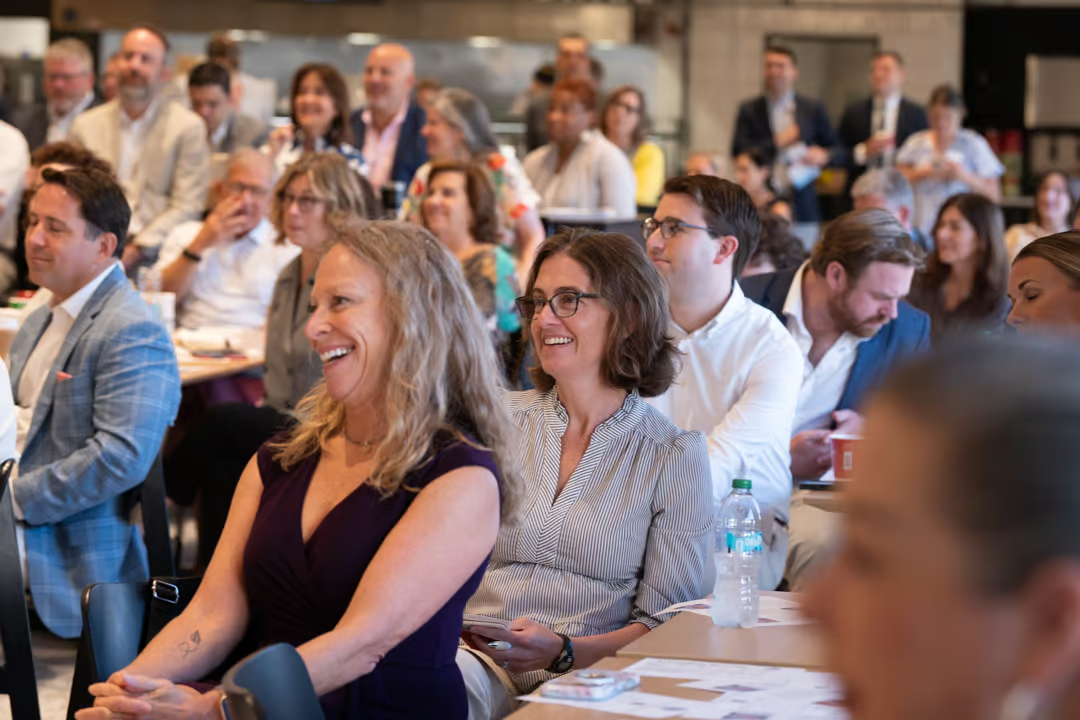
On July 9, BGR convened three of the region’s leading economic development voices—Annalisa Kelly (JEDCO), Walt Leger (New Orleans & Company), and Jeff Schwartz (City of New Orleans)—for a conversation about population decline and economic opportunity.
A central theme emerged throughout the discussion: reversing population decline will require regional cooperation; continued investment in economic opportunity and quality of life; and a stronger narrative about the region’s assets and strengths.
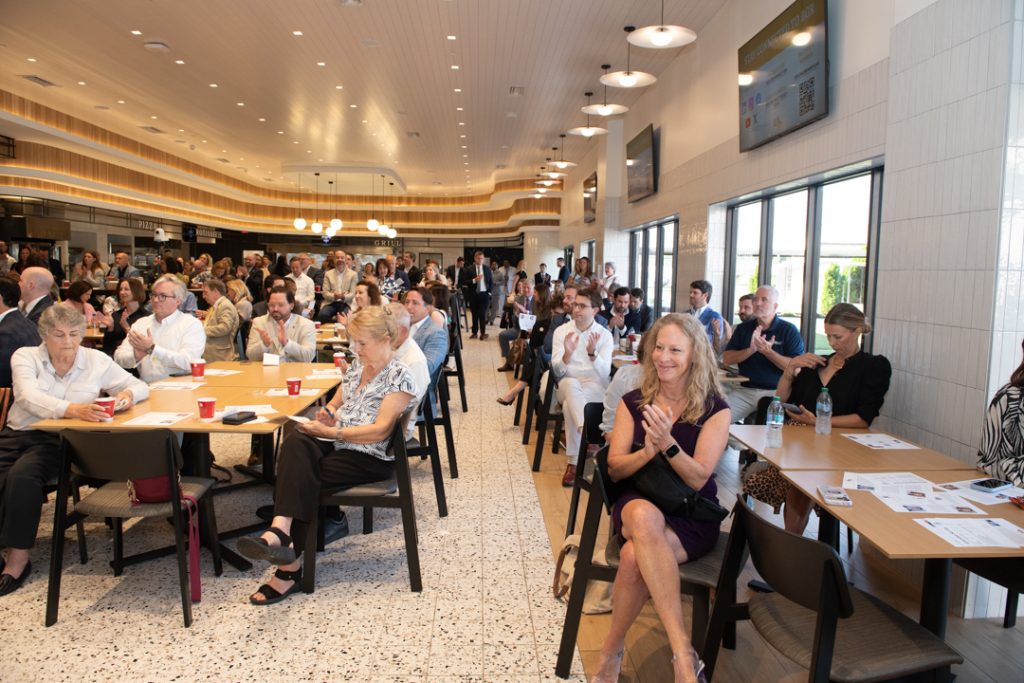
Below you’ll find the full video, key takeaways from the conversation with timestamps, and photos from the event.
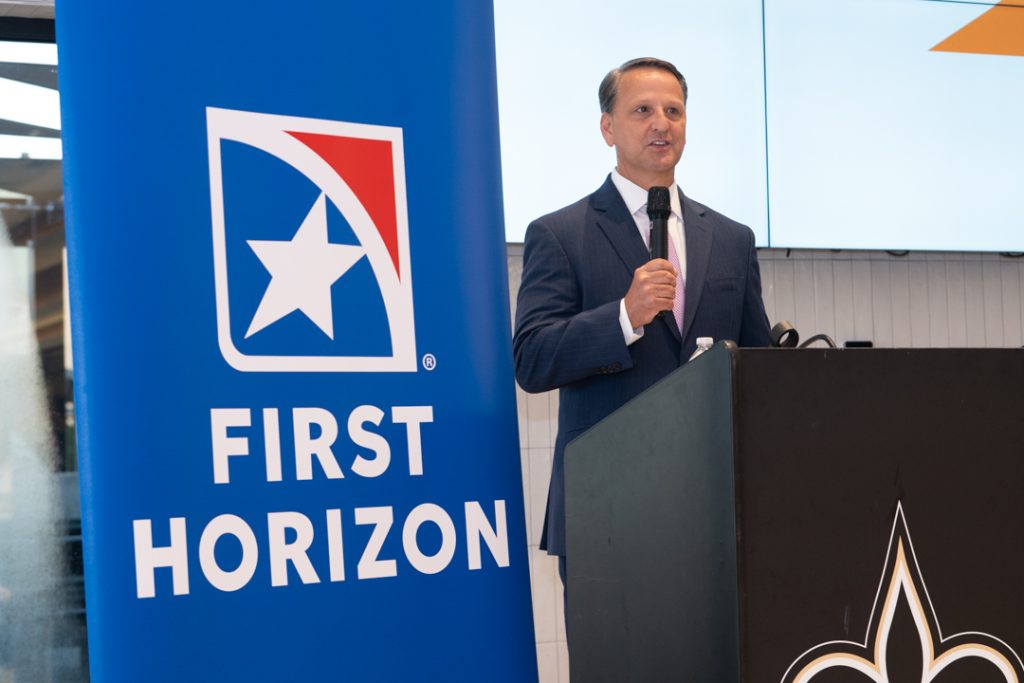
The event was free and open to the public thanks to the generous sponsorship of First Horizon Bank. The event was recorded live at the Ochsner Sports Performance Center, hosted by the New Orleans Saints. The discussion was also broadcast on WWNO.
Video
Highlights
1. Population decline is a symptom of broader challenges and opportunities.
The panelists described population trends as an important indicator of how well a region is performing. People choose where to live based on factors like economic opportunity, housing affordability, infrastructure, public safety, education, and quality of life. Population decline is not caused by any one issue, and reversing it will require progress across multiple areas.
Watch:
(5:11) By the numbers: population trends in Orleans and Jefferson
(7:09) How worried should we be about population decline?
(12:57) What’s really driving the decline?
2. The region needs to think and act as one economy.
A recurring theme was the importance of regionalism. Residents routinely live, work, and spend time across parish lines, and the panelists argued that economic development efforts are most effective when Orleans and Jefferson parishes work collaboratively rather than competitively. Several examples highlighted growing regional cooperation, including the Vision 2035 initiative and joint economic development efforts.
Watch:
(17:07) Inside the Vision 2035 plan
(21:28) Getting Orleans and Jefferson to work as one region
3. Growth depends on helping local businesses scale.
The region has developed a strong reputation for entrepreneurship and small business creation. The next challenge, according to the panelists, is creating an environment where successful businesses can grow, create more jobs, and provide long-term career opportunities that encourage residents to stay and build their futures here.
Watch:
(12:57) What’s really driving the decline?
(41:01) How to keep young talent in New Orleans
4. We need to tell a more complete story about greater New Orleans.
The discussion repeatedly returned to the region’s strengths: its culture, tourism industry, energy expertise, manufacturing base, transportation assets, and institutions such as NASA’s Michoud Assembly Facility. Panelists argued that residents and leaders alike should do more to highlight these successes and opportunities when talking about the region’s future.
Watch:
(41:01) How to keep young talent in New Orleans
5. Resilience can be a competitive advantage.
When discussing hurricane risk, flood protection, and infrastructure, the panelists emphasized that greater New Orleans has made significant investments in resilience. They argued that the region’s expertise in disaster preparedness, flood protection, and infrastructure management should be viewed as both a necessity and an economic asset.
Watch:
(32:47) Hurricane risk and flood protection
(37:53) Turning the power grid into an economic asset
6. Flood protection should not be a political issue.
One of the strongest messages of the morning came during the discussion of hurricane and flood risk. Walt Leger emphasized the importance of keeping flood protection authorities focused on their core mission and urged leaders to continue “depoliticizing flood protection” to ensure long-term safety and resilience for the region.
Watch:
(32:47) Hurricane risk and flood protection
7. Long-term investment is essential for long-term growth.
During the audience Q&A, the panelists discussed the importance of investments in public safety, infrastructure, higher education, workforce development, and early childhood education. They pointed to recent improvements in educational outcomes as one example of how sustained public investment can pay dividends over time.
Watch:
(55:10) State funding and Baton Rouge relations
(57:24) Early childhood education pays off
Additional Highlights
(2:40) Why BGR is meeting in Jefferson Parish: Becky Mowbray explains why many of the region’s biggest challenges and opportunities extend beyond parish boundaries.
(4:04) Meet the panelists: Introduction of Annalisa Kelly, Walt Leger, and Jeff Schwartz.
(28:07) The West End Economic Development District: A look at a collaborative effort between Orleans and Jefferson parishes to redevelop the West End area and create new economic opportunities.
(50:45) Investing in New Orleans East and the West Bank: A discussion of strategies to encourage growth and investment in historically underinvested areas.
(50:19) Audience Q&A begins.
Photos

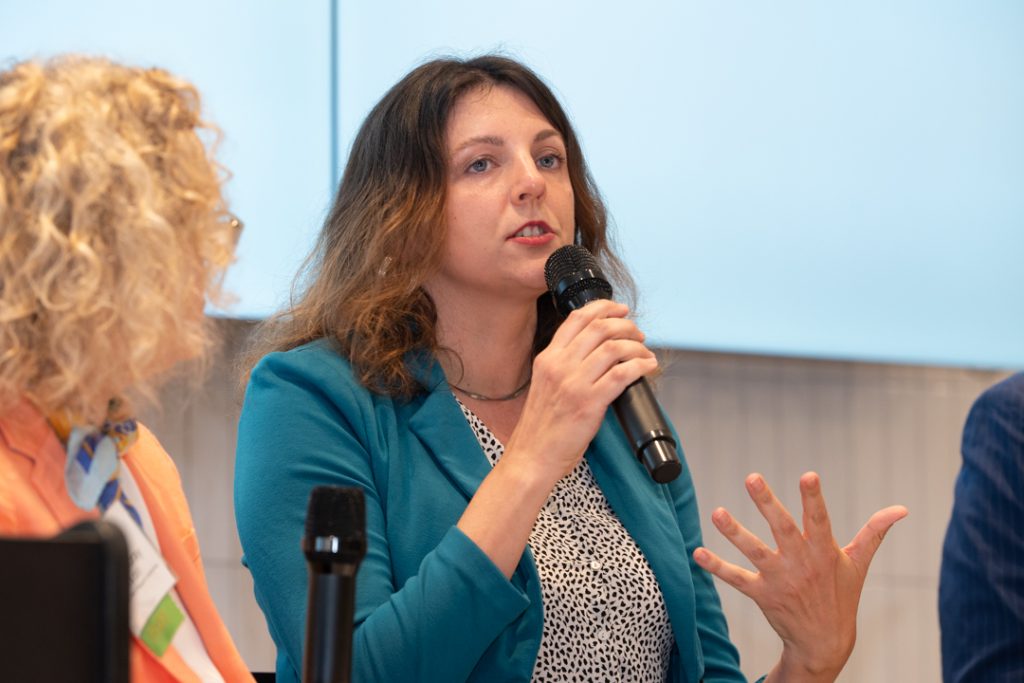


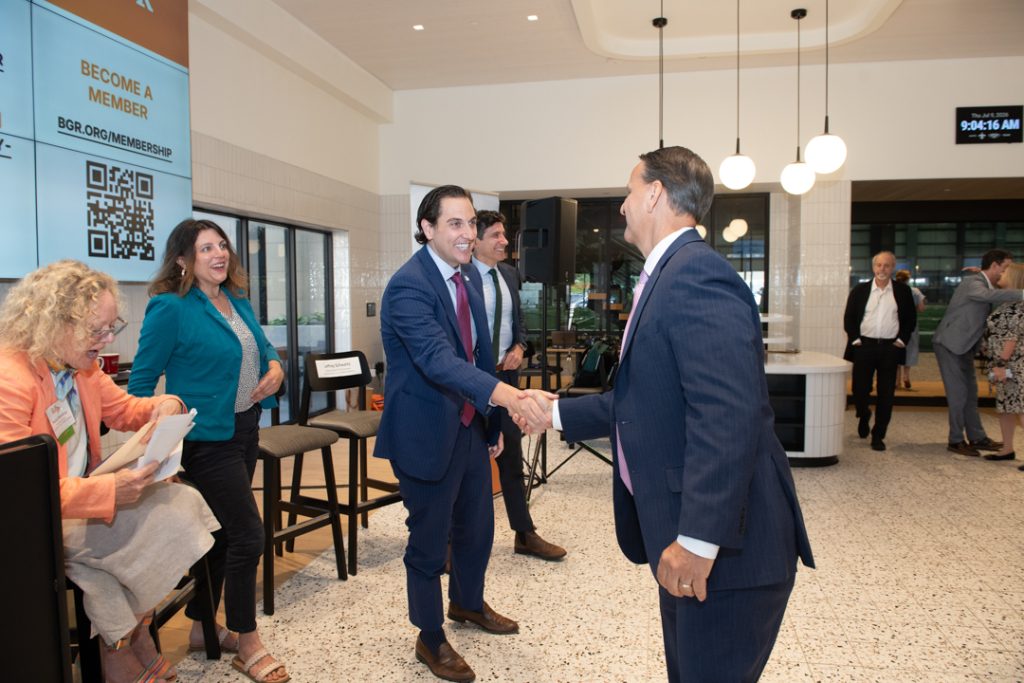
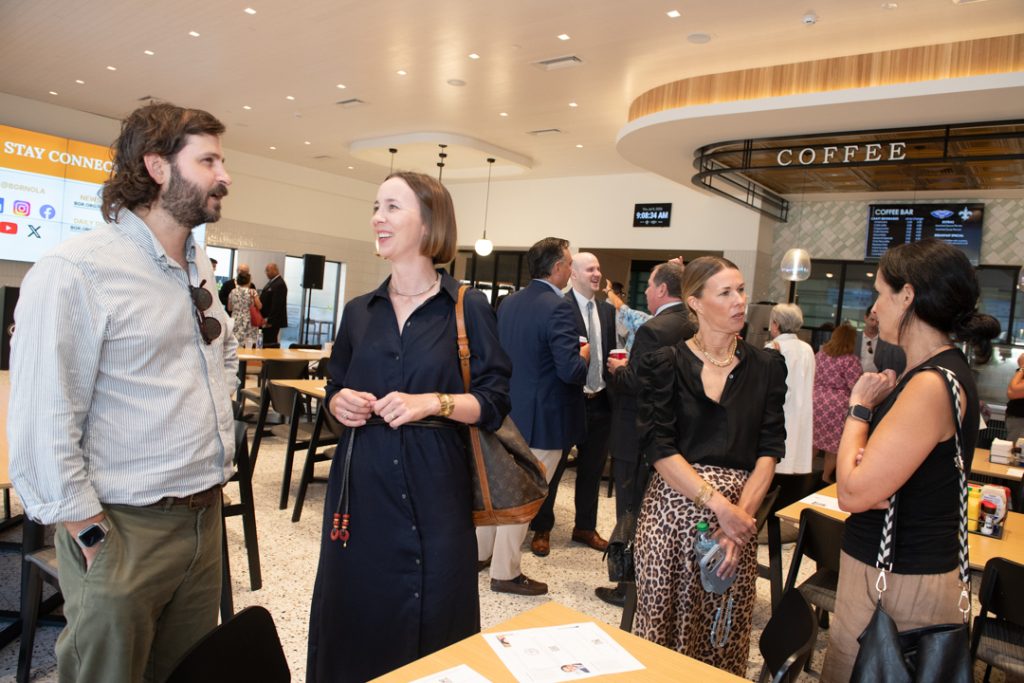
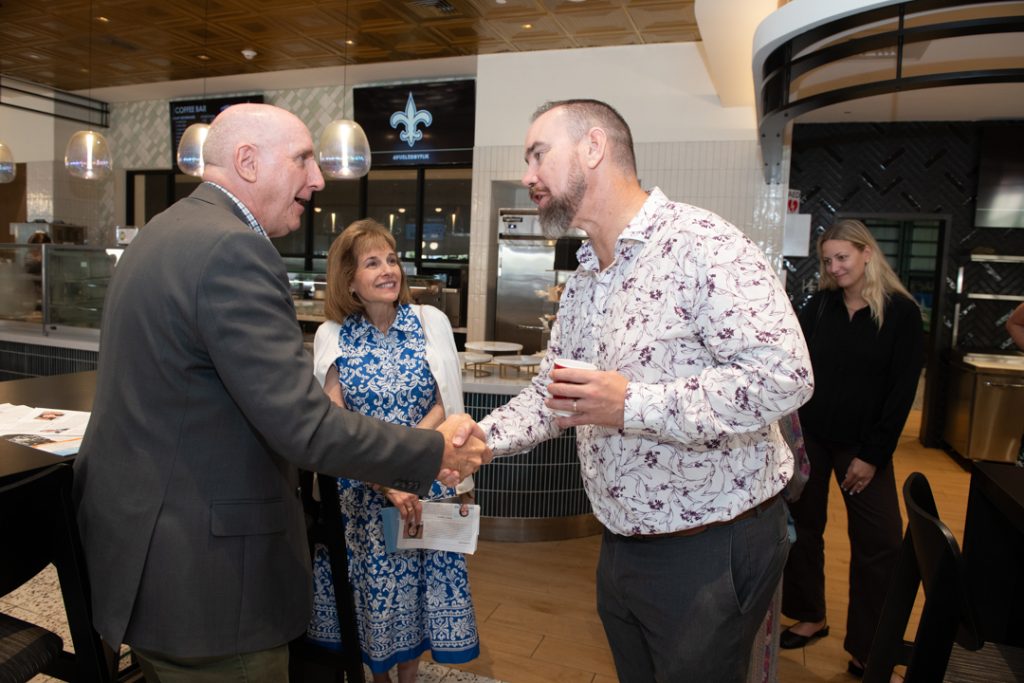
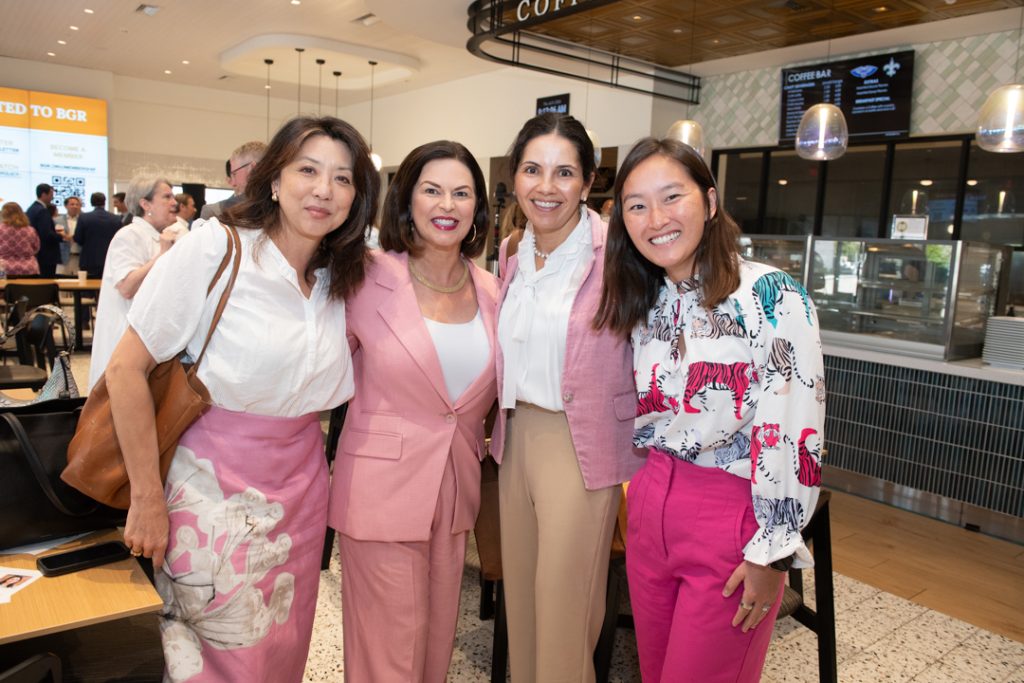


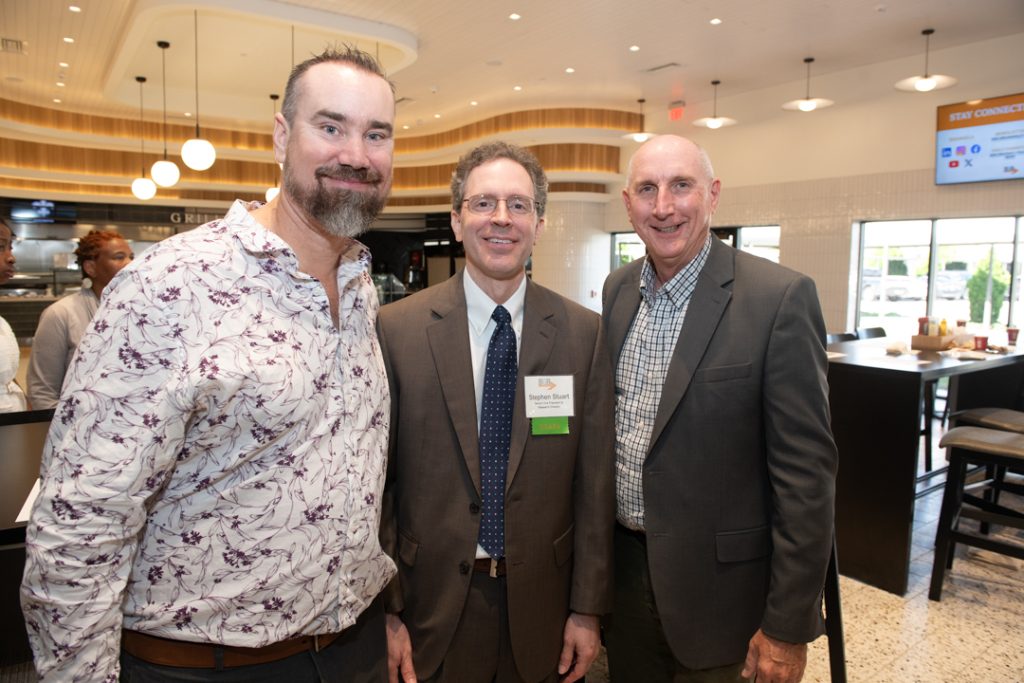
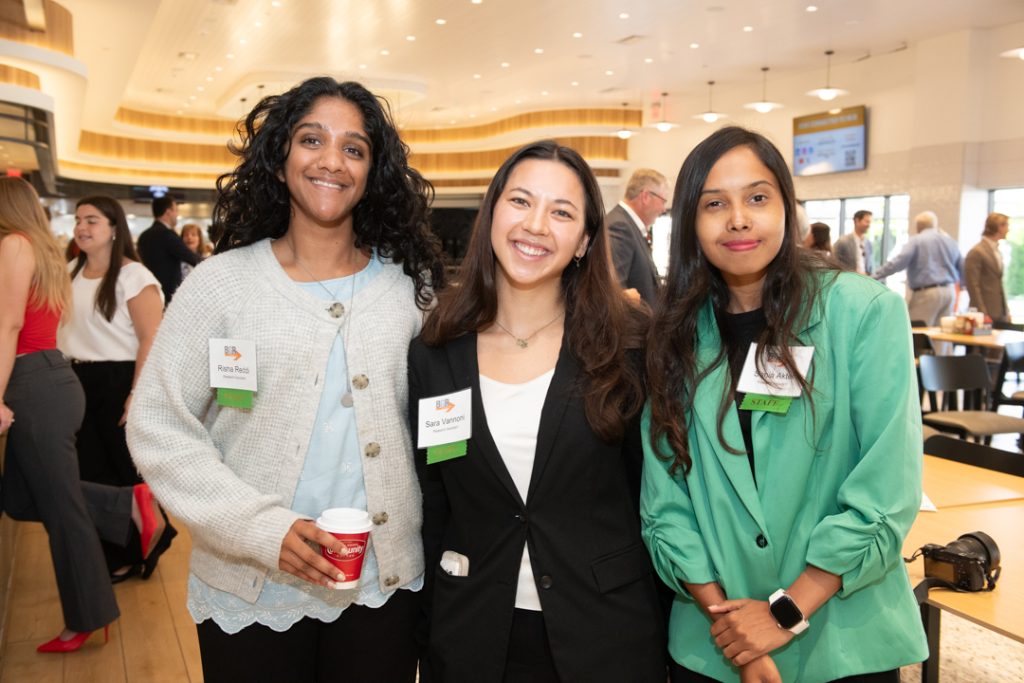
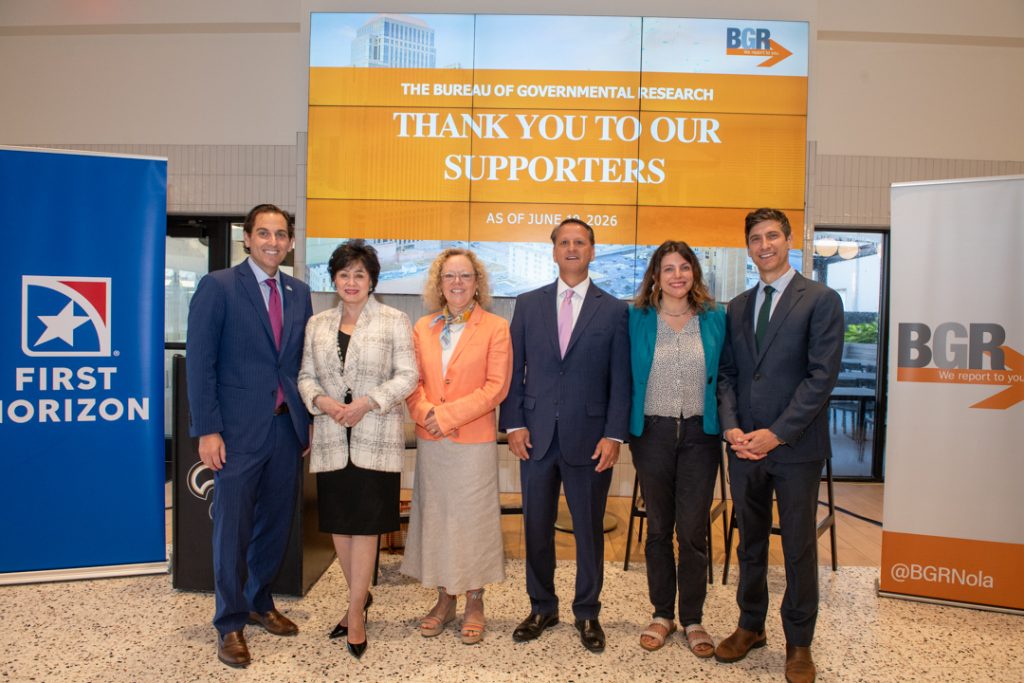
About Our Speakers
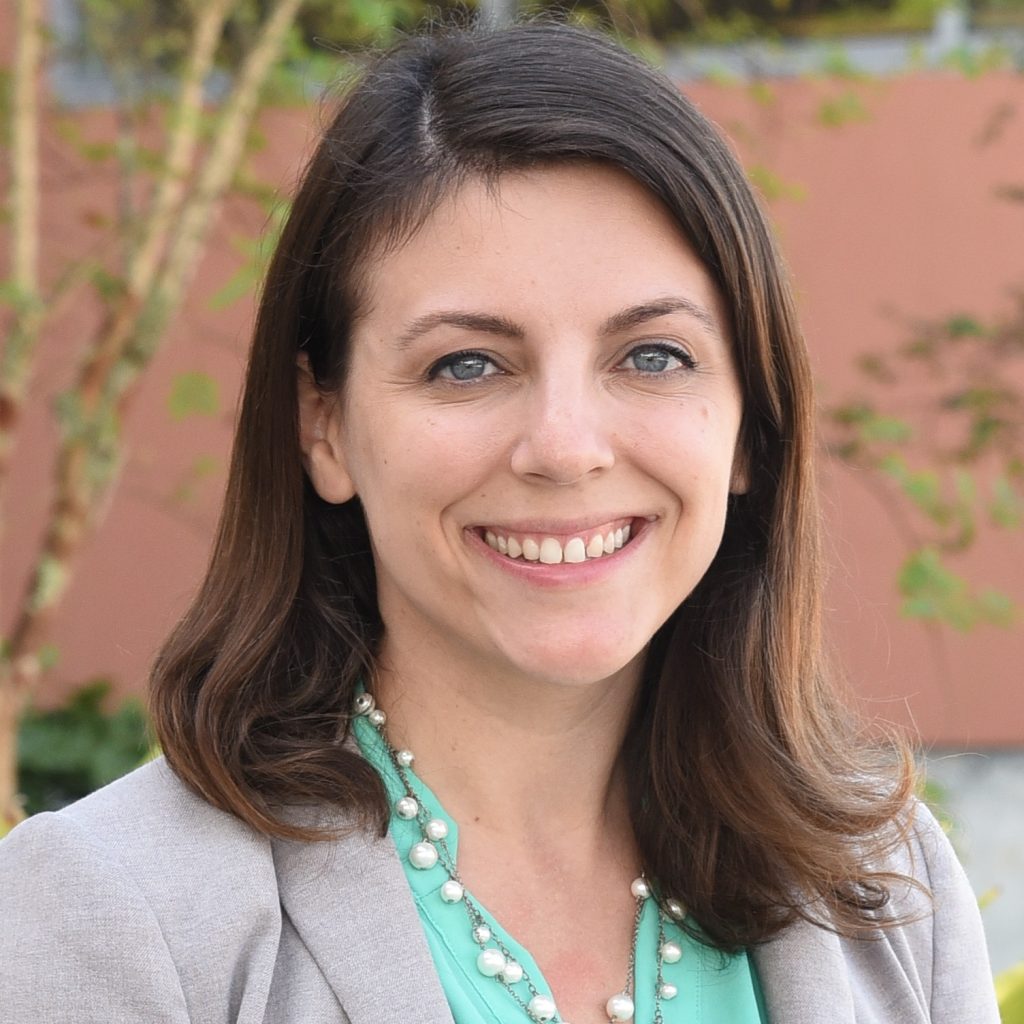
Annalisa Kelly is Vice President of Strategic Programs and Partnerships for the Jefferson Parish Economic Development Commission (JEDCO), bringing over 15 years of experience in major economic and community development initiatives across Greater New Orleans. She leads JEDCO’s Strategic Initiatives Department and has managed projects such as the region’s food and beverage incubator, the Terrytown Neighborhood Revitalization Plan, the Grand Isle Jewels oyster brand, and a major EPA Brownfield assessment grant. Her background includes post Katrina recovery work with Louisiana’s Office of Community Development and government relations for the American Museum of Natural History in New York City. She has served on the boards of Ride New Orleans, the Coalition for Coastal Restoration & Economy, and Friends of Lafitte Greenway. Annalisa holds a bachelor’s degree from Wesleyan University, is a Certified Economic Developer (CEcD), and participates in IEDC’s Economic Development Research Partners program.
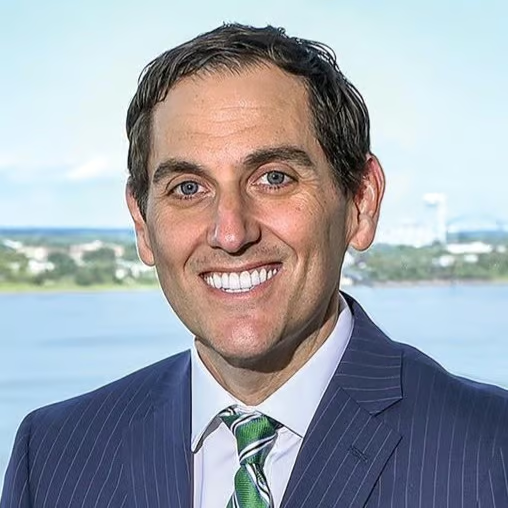
Walter Leger is the President and CEO of New Orleans & Company, the city’s official destination marketing and sales organization representing more than 1,100 businesses and driving billions in annual economic impact through tourism, conventions, and major events. A former Assistant District Attorney and practicing attorney, he is widely recognized as a strategic thinker, consensus builder, and advocate for Louisiana. Leger served as Speaker Pro Tempore of the Louisiana House of Representatives—its youngest ever—where he passed over 125 pieces of legislation and played key roles in budget reform, infrastructure investment, criminal justice reform, and education policy. A graduate of LSU and Tulane Law School, he has been honored as LSU’s Young Alumnus of the Year and inducted into the LSU Hall of Distinction. He serves on numerous national and local boards and lectures frequently on law and public policy at local law schools and at conferences around the country. Leger is also an adjunct professor of Law at Loyola University New Orleans College of Law. Leger lives in New Orleans with his wife and their two daughters.
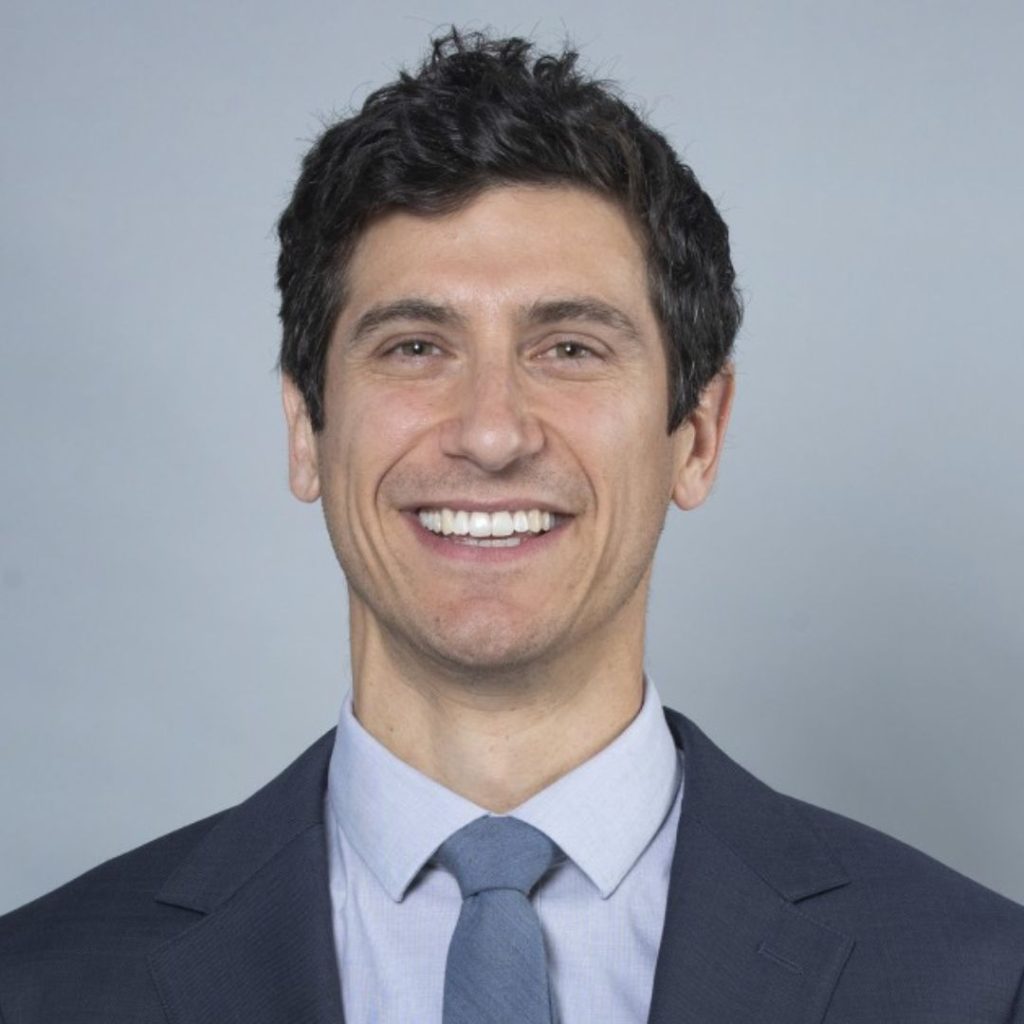
Jeff Schwartz is the Deputy Mayor for Economic Development for the City of New Orleans, leading citywide economic and community development efforts that support businesses, entrepreneurs, and vibrant, inclusive neighborhoods. He has shaped the city’s strategic economic plan, advanced redevelopment of major public asserts, launched special purpose districts, and driven cross-department initiatives that attract catalytic investment. With nearly twenty years of experience bridging public, private, and nonprofit sectors, Schwartz has led organizations focused on equitable development, policy innovation, and long-term growth. He co-founded Ride New Orleans and Broad Community Connections, where he served 11 years as founding Executive Director and delivered over $33M in community development projects, including the ReFresh Project and the Rose Collaborative. Schwartz holds two bachelor’s degrees from University of Wisconsin-Madison and a master’s in city planning (MCP) from Massachusetts Institute of Technology (MIT). He lives in the Irish Channel with his wife and two children.